

















































Tungsten Market Surge Strengthens Rwanda’s Position in Global Supply Chain

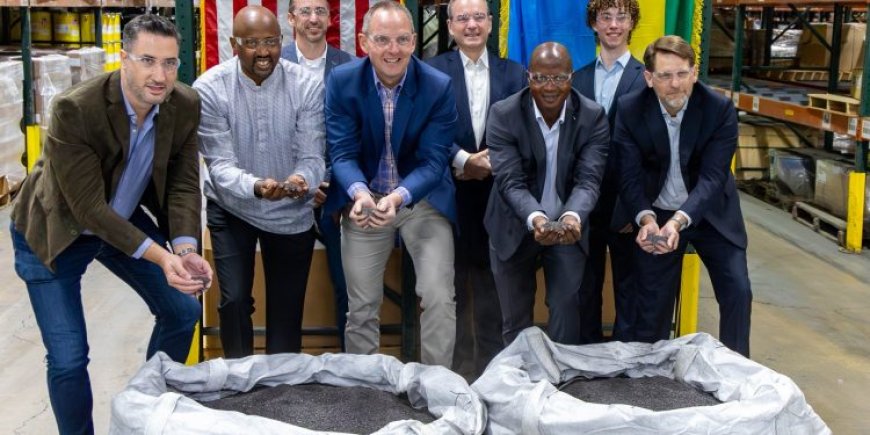
Despite reducing output in recent years, China continues to dominate global tungsten supply, providing an estimated 75–80% of the world’s demand, according to multiple industry reports. The price of tungsten has surged in recent months following restrictions on exports, with data from Project Blue indicating that tungsten prices have more than doubled since 2020 and may continue to rise in 2026. Currently, the price stands at $231.75 per kilogram.
Global Tungsten Production in 2026 (Top 10 Producers)
-
China: 67,000 tons
-
Vietnam: 3,400 tons
-
Russia: 2,000 tons
-
North Korea: 1,700 tons
-
Bolivia: 1,600 tons
-
Rwanda: 1,200 tons
-
Australia: 1,000 tons
-
Austria: 800 tons
-
Spain: 700 tons
-
Portugal: 500 tons
Rising Global Demand
Worldwide demand for tungsten continues to increase, particularly in China, where imports of raw ore rose sharply in 2025, according to the U.S. Geological Survey (USGS). Tungsten is highly valued for its unique properties, including the ability to withstand temperatures up to 3,422°C without melting, making it critical for industries ranging from manufacturing to defense. Analysts predict demand will continue to rise in the coming years.
Limited Production Outside China
Outside China, tungsten production remains limited. Vietnam and Russia are the largest producers beyond China, while other countries including Rwanda, Bolivia, Australia, and Kazakhstan have started exporting small amounts since 2025. European output is modest, concentrated in Spain and Portugal, with total production in the region reaching only about 20,000 tons compared to China’s 67,000 tons.
Rwanda ranks sixth globally and first in Africa for tungsten production, contributing 1,200 tons annually, and is emerging as an important supplier for the American market.
China’s dominance in tungsten supply continues to shape global markets, with rising prices reflecting both restricted export policies and surging demand. While countries like Rwanda are increasing output, the global tungsten gap is expected to persist throughout 2026, according to industry analysts.