














Rwanda blames DR Congo, Burundi for South Kivu ceasefire violations

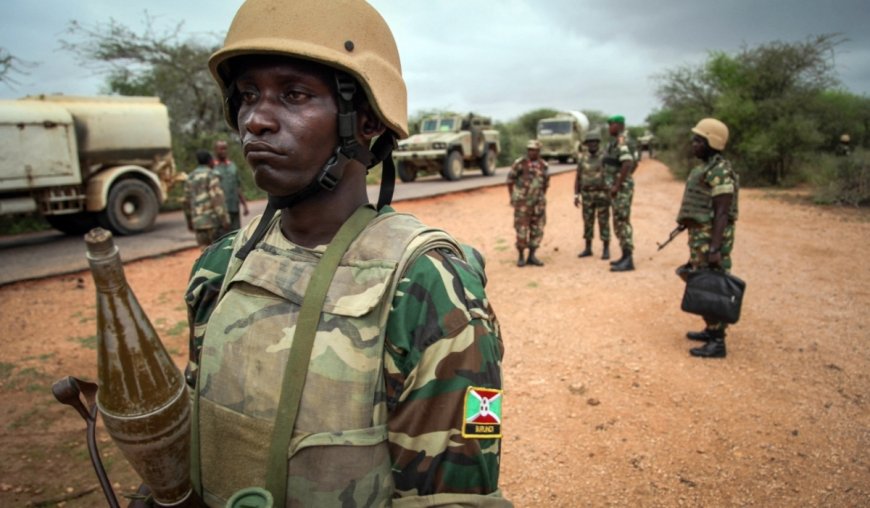
Responsibility for ceasefire violations in South Kivu Province rests with the governments of DR Congo and Burundi, the Ministry of Foreign Affairs and International Cooperation stressed in a statement released Wednesday, December 10.
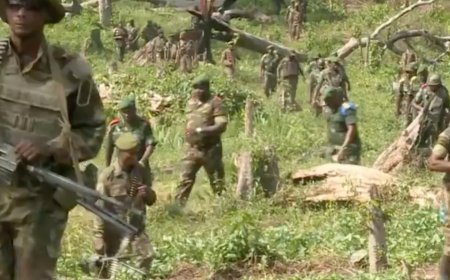
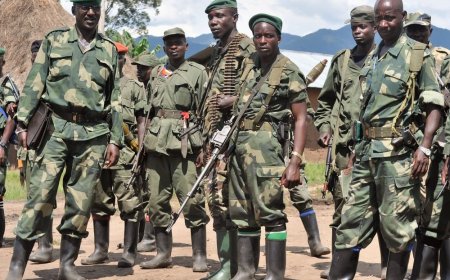
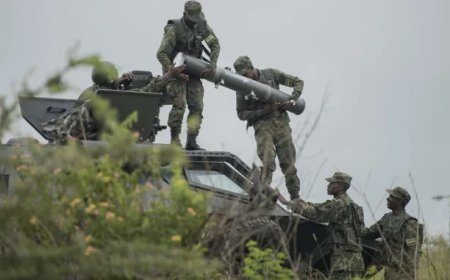
According to the ministry, the ongoing fighting between the AFC/M23 movement and a DR Congo government coalition which includes Burundian forces, foreign mercenaries, local militias known as Wazalendo, and the FDLR genocidal militia, is a result of actions by Kinshasa and its allies.
Fighting escalated around December 2 when AFC/M23 reported that the DR Congo coalition forces had launched “deadly attacks” against civilians in South Kivu. According to the rebellion, the attacks were concentrated along key axes including Katogota-Luvungi, Kaziba-Haut Plateau, Tchivanga-Hombo, and Kasika-Mwenga.
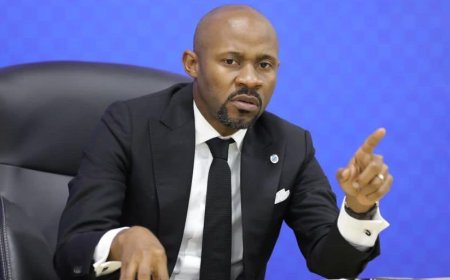
Corneille Nangaa, the political coordinator of AFC/M23, the “deadly attacks”, which violate ceasefire agreements, forced them to respond. Fighting then ensued, with the rebels making significant advances, taking several territories in the province. It is now understood they have entered Uvira, South Kivu’s second-largest city.
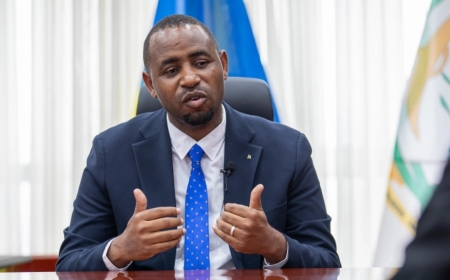
In the statement, the ministry of foreign affairs stressed that the violation of the ceasefire “cannot be placed on Rwanda.”
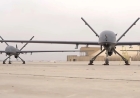
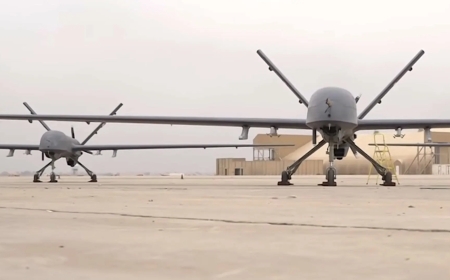
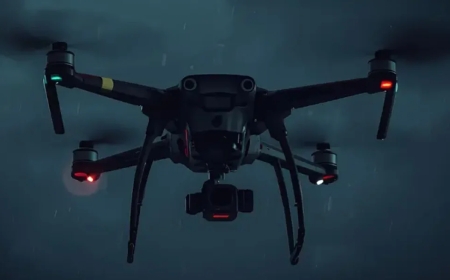
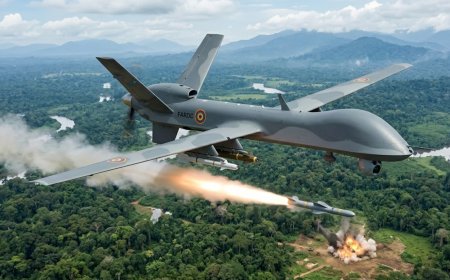
“Rwanda condemns the Congolese Army (FARDC) and the Burundian Army (FDNB),” together with its coalition of the Kinshasa-backed FDLR genocidal militias, Wazalendo and foreign mercenaries, the statement read, adding that the Congolese collation has been systematically bombing civilian villages close to the Rwandan border, using fighter jets and attack drones, which the AFC/M23 has said it has been forced to counter.
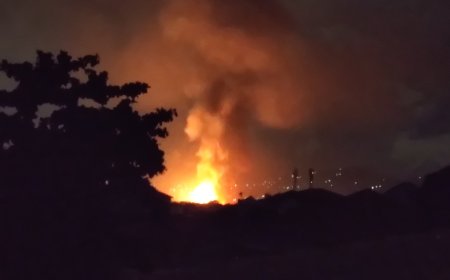
The ministry said that last week’s bombing of Kamanyola, from Burundi, forced over 1,000 Congolese citizens to flee to Bugarama, in southern Rwanda, where they are accommodated at Nyarushishi Transit Camp.
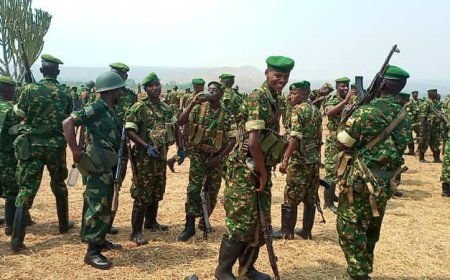
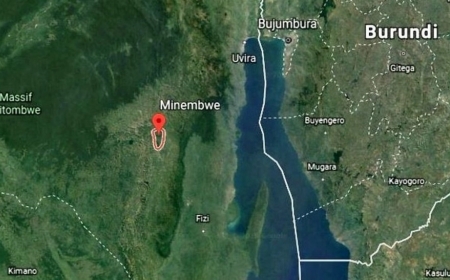
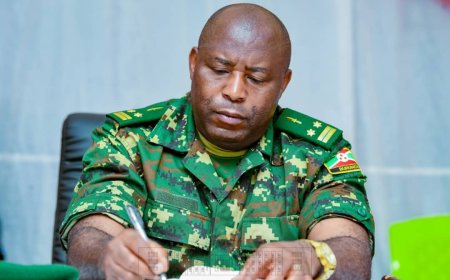
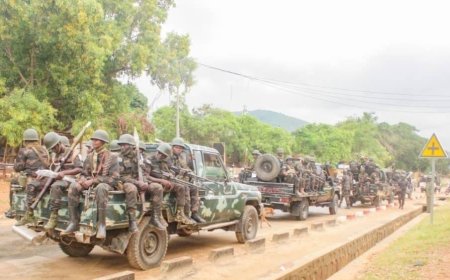
The ministry also noted that the Burundian army has deployed nearly 20,000 troops in South Kivu in support of the Congolese government, and has notably laid siege to Banyamulenge villages in Minembwe in an apparent attempt to starve residents.
“The DRC has openly stated that it would not observe any ceasefire, and was fighting to recapture territories lost to AFC/M23, even as the peace process unfolded. The details of this continued pursuit of a military solution was brought to the attention of the international community, even though they had their own means of verification, and most of the information was publicly available. The international community has not demanded an end to these attacks prepared for months by the DRC and instigated in the past week,” the statement reads.
Kigali once again criticised Kinshasa’s failure to neutralise FDLR as required under the June 2025 peace agreement, saying this continues to hinder resolution of the conflict in eastern DR Congo, the ultimate goal of the Washington Accords.
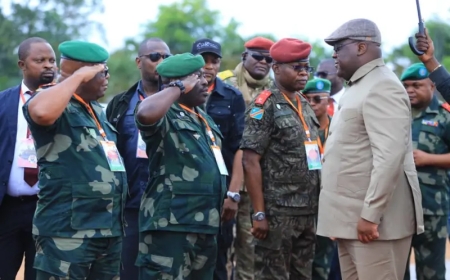
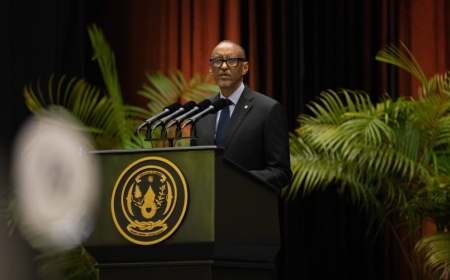
“It is now clear that the DRC was never ready to commit to peace, even as President Tshisekedi participated in the 4th December ceremony, as if forced to sign the Accords. These deliberate violations of recently negotiated agreements constitute serious obstacles to peace, resulting in the continued suffering of the population in eastern DRC, as well as a security threat to Rwanda’s western border,” the ministry noted.
According to Kigali, a return to full implementation of the Washington Accords, along with finalisation of the remaining annexes of the Doha Agreement between Kinshasa and AFC/M23, is urgently needed. This, the ministry said, remains the most viable path to peace, stability, and prosperity in the Great Lakes region.