




How Ndayishimiye, army chief clashed over what would come after Uvira’s fall

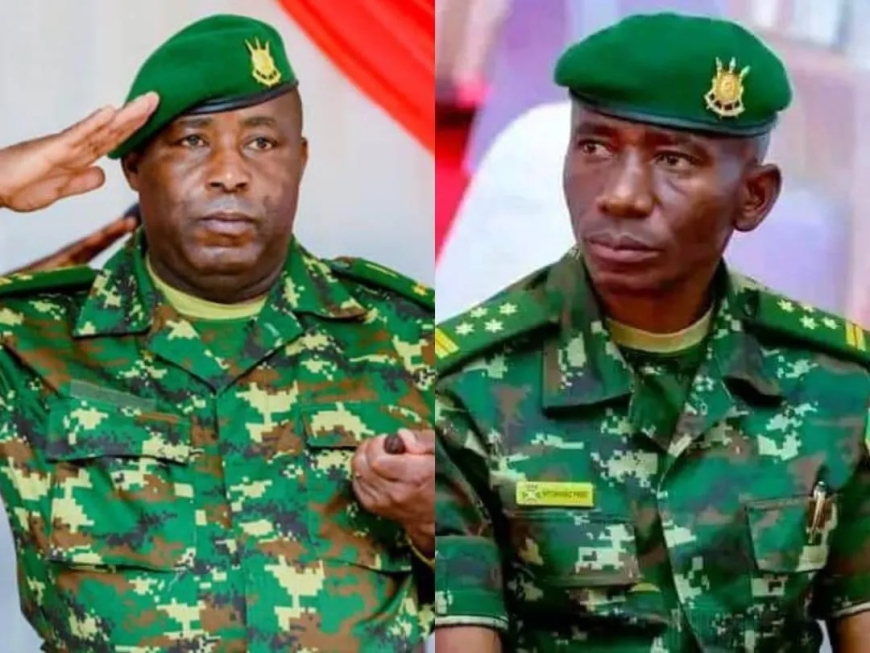
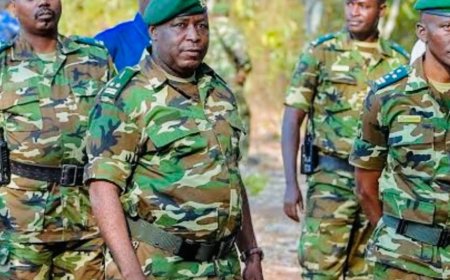
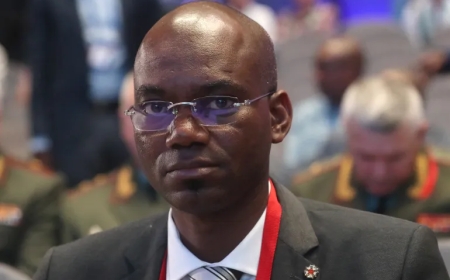
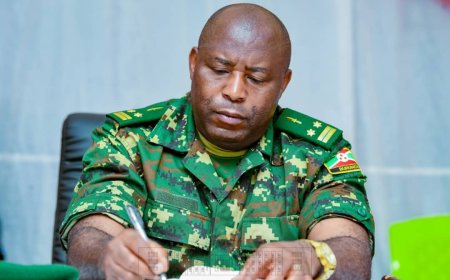
Burundi’s President Évariste Ndayishimiye has clashed with Army Chief of General Staff Gen. Prime Niyongabo over the next course of action following the fall of Uvira, the second-largest city in South Kivu province in the east of the Democratic Republic of Congo (DRC).
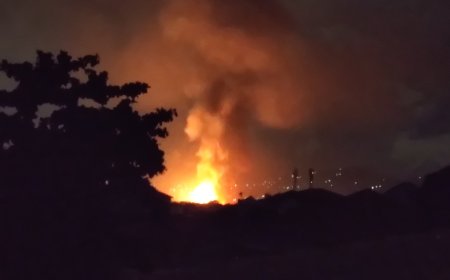
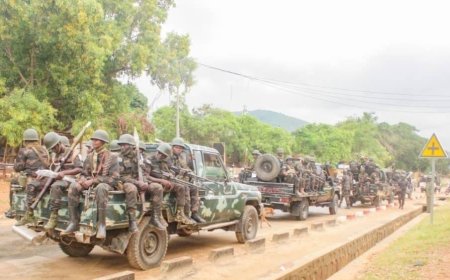
The border city was captured by AFC/M23 rebels on December 9 after they defeated a Congolese army–led coalition that included Burundian troops, mercenaries, local militias called Wazalendo, and FDLR, a Kinshasa-backed Rwandan genocidal militia.
Disagreements between Ndayishimiye and Niyongabo intensified during a series of meetings of military and government officials held in Burundi’s economic capital, Bujumbura, since December 10, following the capture of Uvira.
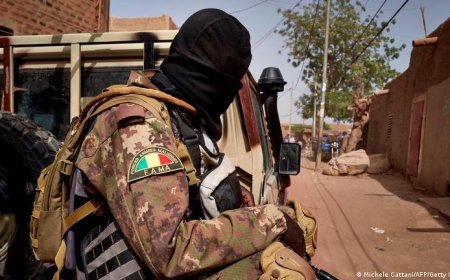
Ndayishimiye pushed for heavy offensives against the AFC/M23 in an effort to recover the town, while Niyongabo called for the withdrawal of all Burundian troops still deployed on Congolese soil, arguing they should instead be redeployed to strengthen domestic security rather than remain involved in DRC’s internal conflict.
A Belgian diplomat based in Burundi confided that on December 11, Niyongabo held a meeting with the heads of Burundi’s intelligence and naval forces to assess the security situation in and around the country. The meeting resolved to suspend counter-offensive operations by the Burundian army and recommended the withdrawal of troops from DRC.
Ndayishimiye rejected the resolution and instead insisted on reinforcing Burundian forces and launching heavy attacks to retake Uvira. He revealed he hopes for support from Belgium and Egypt, as well as from the Congolese army, Wazalendo, Imbonerakure youth militia, FDLR, and combat mercenaries from Colombia and Russia.
According to sources, he also expressed an intention to use Bujumbura International Airport and Lake Tanganyika to deploy troops and logistical supplies toward Makobola, an area located about 20 kilometers from Uvira.
Ndayishimiye’s confidence stems from a meeting held at the Belgian Embassy in Burundi on December 10, during which the Belgian ambassador and the Belgian defense attaché met with Burundian intelligence officers to discuss and prepare plans to retake Uvira, according to a Belgian diplomat based in the country.
While Ndayishimiye and Belgium continue to push for sustained military operations against AFC/M23, Niyongabo is opposed to the plan, citing the realities on the ground, where Burundian troops have suffered heavy losses. Niyongabo, who maintains close contact with frontline soldiers, believes Burundi should not continue losing troops in a conflict it does not consider its own.
Ndayishimiye is said to be reluctant to withdraw, as he benefits from financial incentives provided by Kinshasa in exchange for the deployment of Burundian forces in DRC.
In August 2023, Congolese President Felix Tshisekedi signed a military deal with Ndayishimiye that saw the latter pocket USD 2 million as a reward. The former pays USD 5,000 for every Burundian soldier deployed in eastern DRC. The money goes directly to Ndayishimiye, while the troops receive only their regular salaries.
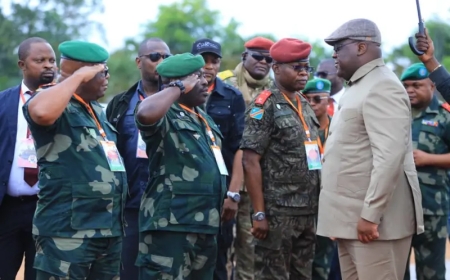
This is not the first time Ndayishimiye and Niyongabo have clashed over the deployment of Burundian troops in DRC. From the outset, Niyongabo has been reluctant and unconvinced about the necessity of sending troops to DRC.
In August, Niyongabo deployed a military team to forcibly release two colonels who had been detained at Mpimba Prison, a 66-year-old, overcrowded, and under-resourced facility in Bujumbura. The officers were arrested on Ndayishimiye’s orders over allegations of involvement in mineral trafficking from DRC to Burundi.
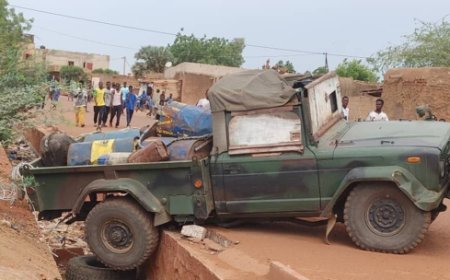
They were also accused of transporting fuel and traditional fabrics (ibitenge) to Burundi using military vehicles meant for supplying Burundian forces operating in South Kivu Province.
After freeing the officers, Gen. Niyongabo, without consulting Ndayishimiye, redeployed them in military operations as usual.
The ongoing disagreements between Ndayishimiye and Burundi’s military leadership have further strained their relations, with the military accusing him of deploying troops in DRC to serve his personal interests rather than the national interest.