

















































Community Tourism Soars in 2026: How Malaysia, Rwanda, and Indonesia are Leading the Way with Sustainable Solutions for Local Communities

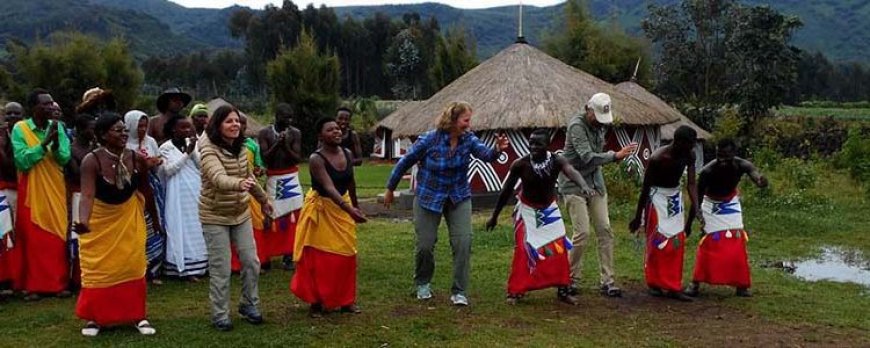
Community tourism has steadily evolved from a niche market to a core element of global tourism policy by 2026. Unlike the early focus on standalone marketing campaigns, community tourism has increasingly been shaped by formal governance frameworks, which are proving to be more effective in fostering long-term sustainable tourism growth. These frameworks include national accreditation systems, community benefit-sharing mechanisms, homestay registries, community certification standards, and government-backed capacity-building programs.
This approach prioritizes community-led governance and ensures that tourism benefits flow directly to local communities, particularly in rural and indigenous areas. These initiatives have become crucial to the development of sustainable and equitable tourism, promoting local ownership, enhancing the quality of life for communities, and preserving both cultural and natural heritage.
Key Features of Successful Community Tourism Programs
Successful community tourism programs around the world in 2026 share several key characteristics that contribute to their effectiveness and long-term sustainability:
- Predictable community benefit flows: Many countries have adopted revenue-sharing formulas that ensure that local communities benefit directly from tourism activities. These benefits are often structured as percentage-based systems.
- Clear institutional accountability: The best programs have transparent systems for managing funds, ensuring that the flow of resources is well documented and managed in a way that is accountable to the community and public stakeholders.
- Public reporting of results: Transparency is critical to the success of community tourism. Publicly available data on outcomes such as community income, jobs created, and other key metrics help build trust and demonstrate the tangible benefits of tourism.
These features have become critical to the success of community tourism in 2026, ensuring that such programs can be effectively scaled, replicated, and sustained.
Countries Leading the Way in Community Tourism
Through a comprehensive assessment using only official and government sources, ten countries have been identified as global leaders in community tourism. These countries have demonstrated success by using formal governance structures to ensure community benefits are maximized, and their tourism models have been widely recognized as best practices. The leading countries include Malaysia, Rwanda, Uganda, and Indonesia, among others.
1. Malaysia: A Leader in Homestay Programs
Malaysia has been a frontrunner in community tourism for decades, with its Homestay Experience Programme being one of the most successful and long-running initiatives. Launched in 1995 by the Ministry of Tourism, Arts, and Culture Malaysia (MOTAC), the program has grown significantly and now includes thousands of operators and village networks across the country. The program offers tourists the chance to stay with local families, providing an immersive cultural experience while also contributing to the local economy.
In 2024, the program reported 829,803 tourist participants and generated an income of RM 54.9 million for local communities. The Ministry’s commitment to detailed statistical reporting and transparency ensures that the benefits of the program are clearly understood. Malaysia’s homestay model is widely recognized as a key example of community tourism that not only preserves cultural heritage but also promotes rural development and economic sustainability.
2. Rwanda: Revenue Sharing for Community Benefits
Rwanda has also been at the forefront of community tourism, particularly through its Tourism Revenue Sharing Scheme. Since 2005, the Rwanda Development Board (RDB) has implemented this scheme to ensure that communities living near national parks benefit from tourism revenue. Under the program, 10% of all tourism revenue from park fees is allocated directly to local communities, funding community development projects and improving local infrastructure.
The program has been highly successful, with over 698 community projects funded by tourism revenues since its inception. In 2019 alone, the RDB disbursed Rwf 1.4 billion in community development funds. The model has been praised for its transparency and effectiveness in supporting both conservation and community livelihoods.
3. Uganda: Park Revenue Sharing
Uganda’s Uganda Wildlife Authority (UWA) has implemented a robust revenue-sharing model where 20% of annual park revenue is shared with communities living near national parks and wildlife reserves. The revenue-sharing system is particularly prominent in areas such as Bwindi Impenetrable Forest, where USD 10 from each gorilla permit is allocated to surrounding communities.
In 2024, Uganda distributed UGX 3.15 billion to communities around Murchison Falls and Queen Elizabeth Conservation Areas, further supporting the country’s commitment to both wildlife conservation and community development. The UWA’s clear governance structure and public reporting of disbursements have made this program a model of effective community tourism.
4. Indonesia: The Tourism Village System (Jadesta)
Indonesia’s Tourism Village System (Jadesta) has become one of the most extensive community tourism models in the world. Managed by the Kementerian Pariwisata Republik Indonesia (Ministry of Tourism and Creative Economy), the Jadesta platform categorizes over 6,000 registered tourism villages by their level of maturity and provides direct support through training, evaluation, and certification.
With a focus on rural development, the tourism village system has empowered local communities by promoting sustainable tourism while fostering local entrepreneurship. The public platform, which lists villages by maturity level and connects them with tourists, has contributed to the scaling of community tourism in Indonesia, ensuring that rural areas gain greater visibility and access to tourism markets.
5. India: Swadesh Darshan and Rural Homestays
India’s Swadesh Darshan initiative, which promotes rural tourism and homestays, has played a pivotal role in developing community tourism. The initiative is supported by both the Ministry of Tourism and state governments, which collaborate to create sustainable tourism infrastructure and promote local cultural experiences. Under the Swadesh Darshan 2.0 framework, India has selected 57 destinations for sustainable tourism development.
India’s focus on homestays and rural tourism clusters is providing new opportunities for local communities, particularly in states like Uttarakhand and Kerala, where rural tourism clusters are developing rapidly. The country’s commitment to sustainability and community empowerment is reflected in its governance structures, which support both national and local efforts.
6. Tanzania: Community-Based Conservation and Tourism
Tanzania’s community tourism initiatives are deeply linked to conservation efforts. The Wildlife Management Areas (WMAs) initiative encourages villages to form community-based organizations that manage wildlife and tourism activities within protected areas. Revenue from photographic tourism and hunting fees is shared with the local communities, with 60% of revenues allocated for community development.
As of 2024, 38 WMAs have been established across Tanzania, contributing significantly to local economies while also ensuring sustainable wildlife management. The program is praised for its integration of community benefits with conservation efforts, making it an excellent example of community-based tourism in a conservation context.
7. Mexico: National Community Tourism Policy
Mexico has implemented a structured National Community Tourism Policy that promotes community-led tourism initiatives across the country. The Política Nacional de Turismo Comunitario has seen the development of 22 community tourism destinations across 15 regions. This initiative focuses on equitable distribution of tourism income and community empowerment.
The government’s formalization of community tourism through the Distintivo system, along with regional development strategies, has supported the growth of sustainable tourism in rural and indigenous areas. Mexico’s commitment to capacity building and community involvement has made it a leader in community-based tourism in Latin America.
8. Peru: Turismo Rural Comunitario (TRC)
Peru’s Turismo Rural Comunitario (TRC) program formalizes rural tourism through a public registry of tourism providers. Managed by the Ministerio de Comercio Exterior y Turismo (MINCETUR), the program supports local communities by offering resources for improving service quality and expanding tourism infrastructure. In 2024, Peru hosted the first national community tourism fair, which facilitated 2,378 business appointments and attracted 800 visitors from Lima.
Peru’s model is a hybrid of government support and local entrepreneurship, focusing on sustainable development and community empowerment. The program’s success is reflected in its ability to drive economic growth in rural areas while maintaining environmental sustainability.
9. Thailand: DASTA and Community-Based Tourism
Thailand’s Designated Areas for Sustainable Tourism Administration (DASTA) promotes community-based tourism by developing sustainable tourism products and distributing tourism income to local communities. DASTA’s model is focused on community participation and long-term sustainability, with 15 communities in Loei Province working toward a community-based tourism standard model.
This initiative supports communities in developing tourism experiences that reflect local lifestyles, culture, and traditions. By focusing on both the economic and cultural benefits of tourism, DASTA has contributed to the diversification of Thailand’s tourism industry.
10. Nepal: Homestay Operating Procedures
Nepal’s Homestay Operating Procedure, introduced in 2010, has helped standardize homestay tourism across the country. This program has contributed to rural poverty alleviation, with 15% of household income in some communities coming from homestay operations. The procedure provides a framework for registration, operation, and monitoring of homestays, ensuring quality and consistency across the sector.
The program’s success in rural areas, particularly in Bagmati Province, has been documented through government evaluations, which report significant improvements in local livelihoods and economic conditions.
Conclusion: The Future of Community Tourism
In 2026, community tourism continues to be an essential tool for promoting sustainable development, preserving cultural heritage, and supporting local communities. Countries like Malaysia, Rwanda, Uganda, Indonesia, and India have set a high standard for community-based tourism programs, integrating formal governance, transparency, and community benefit structures that ensure long-term success.
Through initiatives like revenue-sharing schemes, homestay programs, tourism village systems, and community-driven conservation projects, these countries have demonstrated that tourism can be a powerful force for good, providing economic opportunities, fostering cultural pride, and promoting environmental sustainability.
As community tourism grows globally, the lessons learned from these leading nations will shape the future of sustainable and inclusive tourism for years to come.