


















BURUNDI:Foreign Trainers, Local Militias Reportedly Involved in Kibira Military Drills

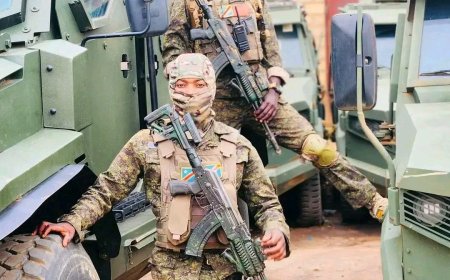
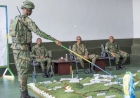
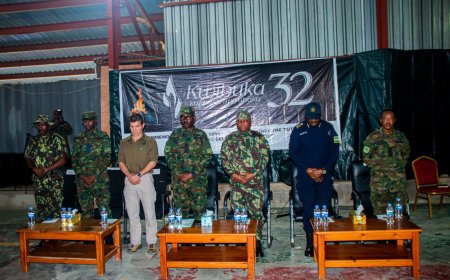
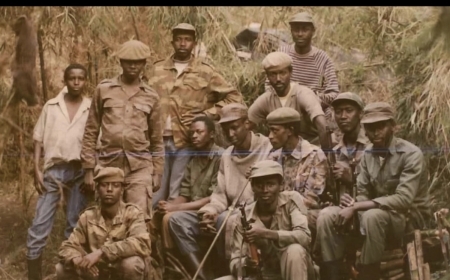
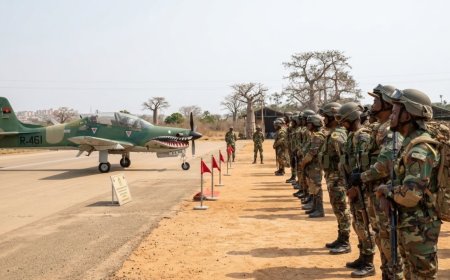
The Kibira forest, located in the municipality of Bukinanyana, in western Burundi, has been the scene since the beginning of February of military activities of an unusual scale, arousing many questions.
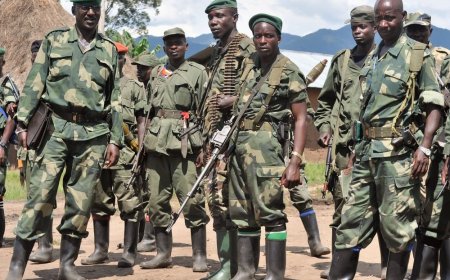
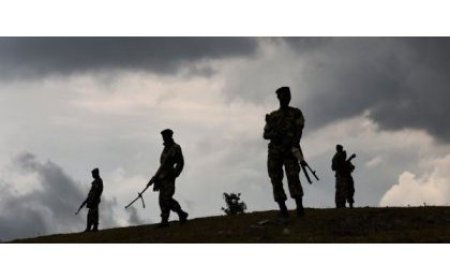
Stretching to neighbouring Rwanda, where it takes the name of Nyungwe Forest, this strategic forest area is hosting, according to information, maneuvers coordinated by the Burundian army. These operations would also involve members of the Imbonerakure as well as fighters from the Democratic Republic of Congo, including from FARDC, Wazalendo and the FDLR genocidal group.
Read:Military Training Reported in Kibira Forest Involving Imbonerakure and Foreign Fighters
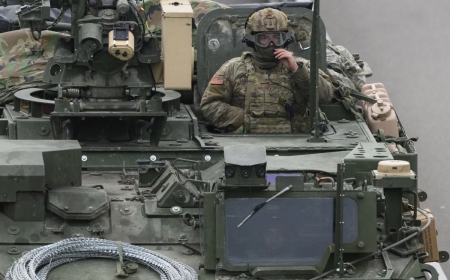
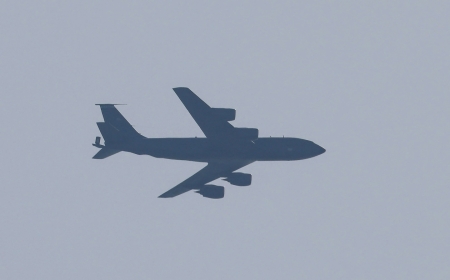
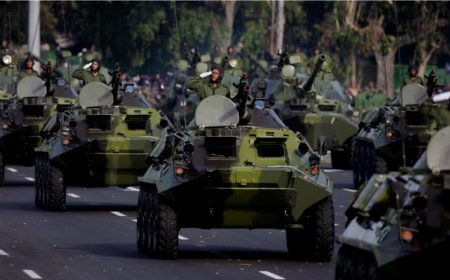
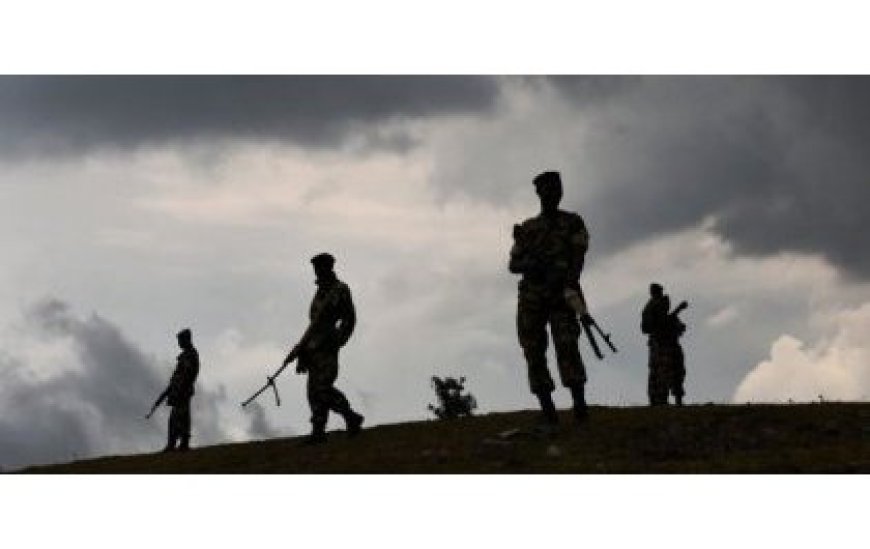
Testimonies gathered from local populations indicate intensive movements of heavily loaded military vehicles, accompanied by detonations of heavy weapons reported within the reserve.
Despite these worrying events, no detailed official communication has been provided by local authorities as to the exact nature of these large-scale exercises, with Burundian military officials merely referring to so-called routine exercises, which does not reassure the population.
However, many elements continue to fuel doubts about the real objective of these operations, while foreign trainers, especially Belgian and specialized in modern weapons, would participate in these operations, demonstrating an advanced level of military preparedness.
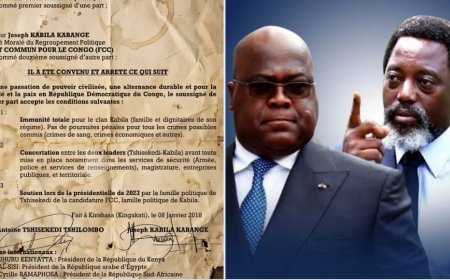
Moreover, these developments come in a tense regional context, marked a military alliance established between Bujumbura and Kinshasa. Burundi has concluded military cooperation agreements with the Democratic Republic of the Congo, in the context of operations in the east of that country, in particular against the rebel group AFC/M23.
However, this cooperation provokes strong criticism among Burundian public opinion. These operations would have resulted in the death of many Burundian soldiers, arousing a growing sense of fatigue and disapproval, with the Burundian population considering this conflict as alien to its interests and denouncing an imposed war.
Critical voices are also raised about the economic cost of these military operations. Several sources report that engaged Burundian soldiers receive only a few hundred dollars, while the agreements at stake amount to several million.
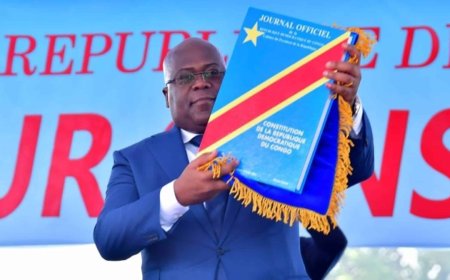
President Évariste Ndayishimiye appears to be the main beneficiary, highlighting the deep gap between the risks assumed by the military and the considerable profits accumulated at the top of power.
On the ideological and political level, several experts report a worrying convergence between the Burundian and Congolese authorities, manifesting themselves in speeches and abuses directed against the Congolese Tutsi community.
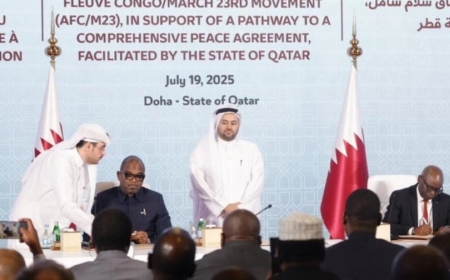
Finally, these operations occur even as the DRC is engaged in various peace processes and ceasefire agreements. Despite these commitments, persistent reports indicate indiscriminate bombings in several densely populated areas outside the fighting zones, with which Burundi has been associated for some time, as part of this military support, which fuels concern and regional tensions.