










Rwanda-Burundi: Kigali responds to Évariste Ndayishimiye’s accusations
Rwanda has responded to accusations made by Évariste Ndayishimiye during an interview with Jeune Afrique published on May 10, in which the Burundian...

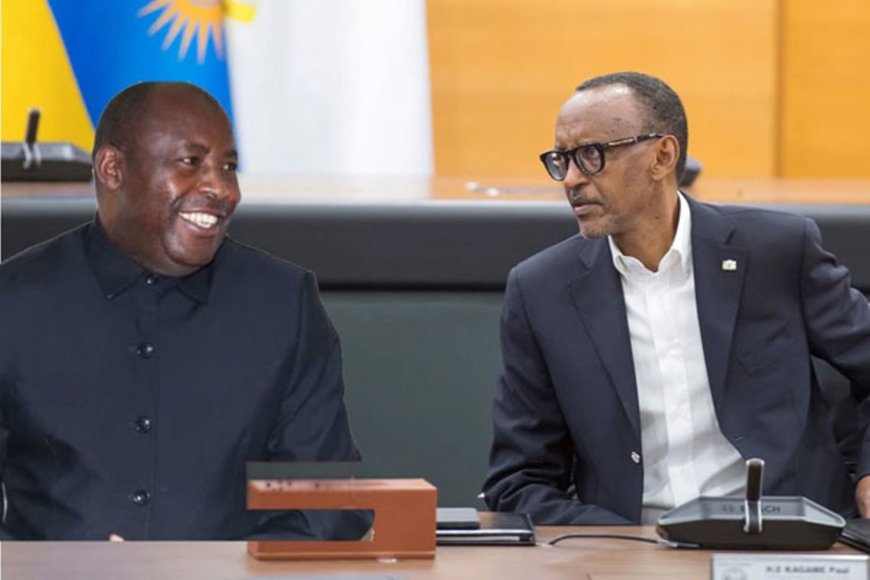
Rwanda has responded to accusations made by Évariste Ndayishimiye during an interview with Jeune Afrique published on May 10, in which the Burundian leader alleged that Kigali supports the rebel group RED-Tabara.
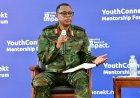
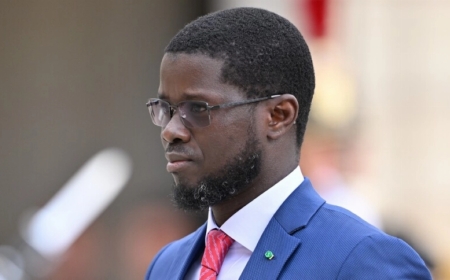
President Ndayishimiye, who currently chairs the African Union, accused Rwanda of training, equipping, and backing RED-Tabara fighters.
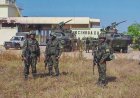
He also claimed that Rwanda has “hostile intentions” toward Burundi and described the presence of M23 fighters and Rwandan forces near the Burundi border as a direct security threat to his country.
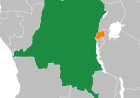
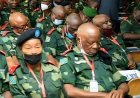
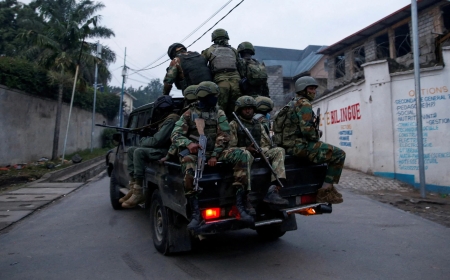
Évariste Ndayishimiye also defends the continued presence of several thousand Burundian soldiers in eastern DRC, explaining that they are operating in support of the FARDC within the framework of regional agreements. He rejects accusations of collaboration with the FDLR and calls for regional security cooperation between Rwanda, Burundi, the DRC, and Uganda to combat armed groups active in eastern Congo.
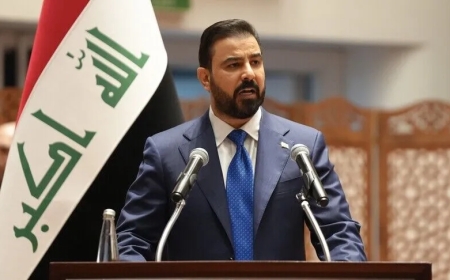
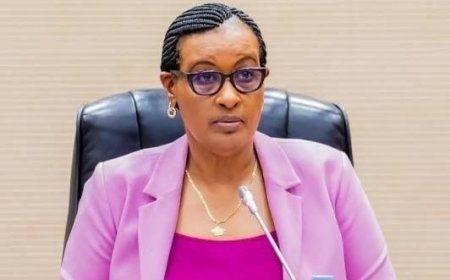
The Rwandan Minister of Foreign Affairs firmly rejects these accusations. Olivier Nduhungirehe stated, “ President Évariste Ndayishimiye’s statements are unacceptable on several counts. He accuses a member state of the African Union of having malicious intentions towards Burundi without providing the slightest proof. Moreover, this is not the first time he has made such remarks against Rwanda. ”
Kigali immediately rejected the accusations made by the Burundian head of state in his interview with Jeune Afrique. The Rwandan minister also believes that some of Évariste Ndayishimiye's statements are hardly compatible with his current responsibilities as head of the African Union.
" His interview also reveals serious admissions on the part of the current president of the African Union ," he continues, referring to the presence of Burundian troops in eastern DRC.
Minister Nduhungirehe also claims to see a contradiction in the explanations provided by the Burundian president regarding the role of Burundian troops deployed in eastern DRC.
According to Kigali, Évariste Ndayishimiye explains on the one hand that the Burundian military operates under the command of the FARDC, but then claims that the Burundian units remain separate from the Congolese forces and do not mix with them.
“ In the same interview, he first explains that the Burundian troops are under the command of the FARDC and deployed by them. Then, later, he states that the Burundian units cannot mix with the Congolese units because they have different strategies. For us, this contradiction is blatant,” the minister believes.
The Rwandan minister goes further by directly accusing Burundi of collaborating with the FDLR, the Rwandan armed group founded by former perpetrators of the 1994 genocide against the Tutsi.
" The FDLR are openly collaborating with the Congolese and Burundian armies. You can't come here today and say that Burundi wants to fight the FDLR when it is working with them on the ground ," he says.
Kigali thus rejects the proposal made by Évariste Ndayishimiye for regional security cooperation between Rwanda, Burundi, the DRC and Uganda to combat armed groups active in eastern Congo.
According to the Rwandan minister, the positions of the FDLR are known and their neutralization would be possible if the Congolese and Burundian authorities truly had the political will.
" If the Burundian army wanted to neutralize the FDLR, it could convince its Congolese ally to do so. But we see no real will on the part of Kinshasa and Gitega ," he said.

Is a resolution possible?
Asked about the prospects for appeasement between Kigali and Gitega, the Rwandan minister stated that the deterioration of bilateral relations is directly linked, in his view, to Burundi's positioning in the conflict in eastern DRC.
" The solution to improve relations between Rwanda and Burundi is very simple: Burundi must end its hostile attitude towards Rwanda ," he says.
The Rwandan minister also referred to certain past statements by Burundian officials that Kigali considers particularly worrying. He specifically cited a speech by Évariste Ndayishimiye to young people in Kinshasa in January 2024, during which the Burundian president declared his intention to help " Rwandan youth get rid of the government."
" These are not the words of someone who seeks good relations with their neighbor ," the minister believes.
Despite these accusations, Kigali maintains it remains open to de-escalation. "If Burundi commits to a path of de-escalation, Rwanda is ready to restore the good relations we had in the past ," asserts the Rwandan Minister of Foreign Affairs.