












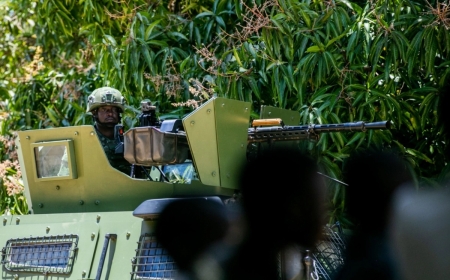

Banyamulenge Community Protests in Australia Over Violence in Eastern DR Congo
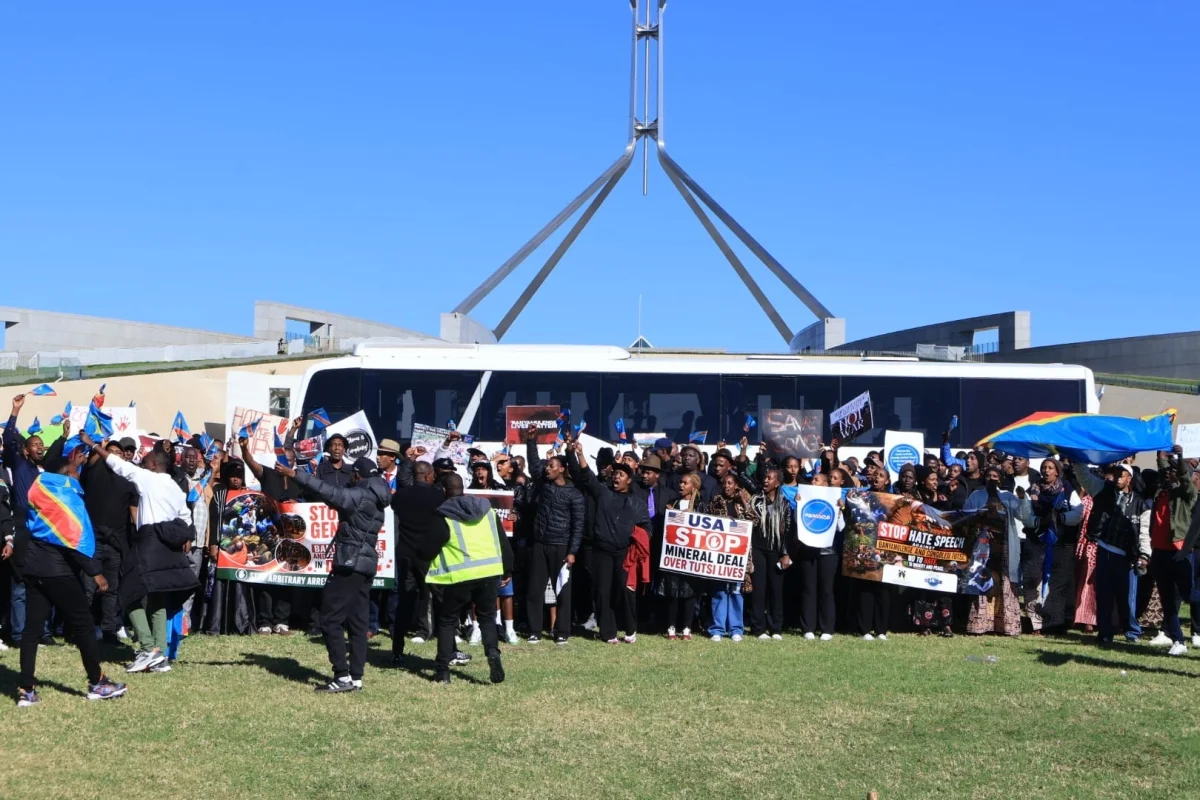
Members of the Banyamulenge and other Tutsi communities on Friday, May 29, organiser demonstrations in Canberra, Australia, calling for international...

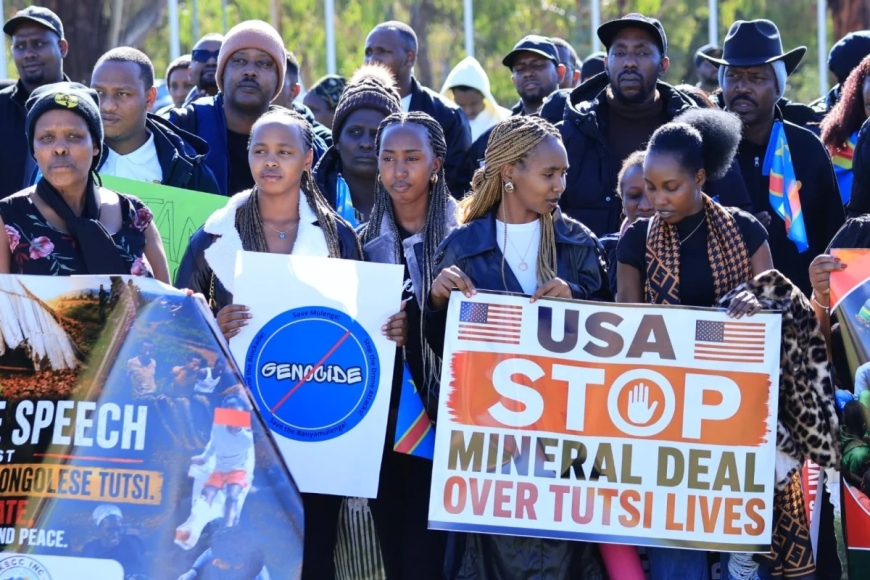
Members of the Banyamulenge and other Tutsi communities on Friday, May 29, organiser demonstrations in Canberra, Australia, calling for international action on ongoing persecution and targeted violence against their communities in eastern DR Congo.
The protest, held in front of the Australian Parliament, brought together members of the diaspora under the umbrella of the Banyamulenge Congolese Community Australia (BCCA) and the Kinyarwanda Speaking Congolese Community (KSCC).
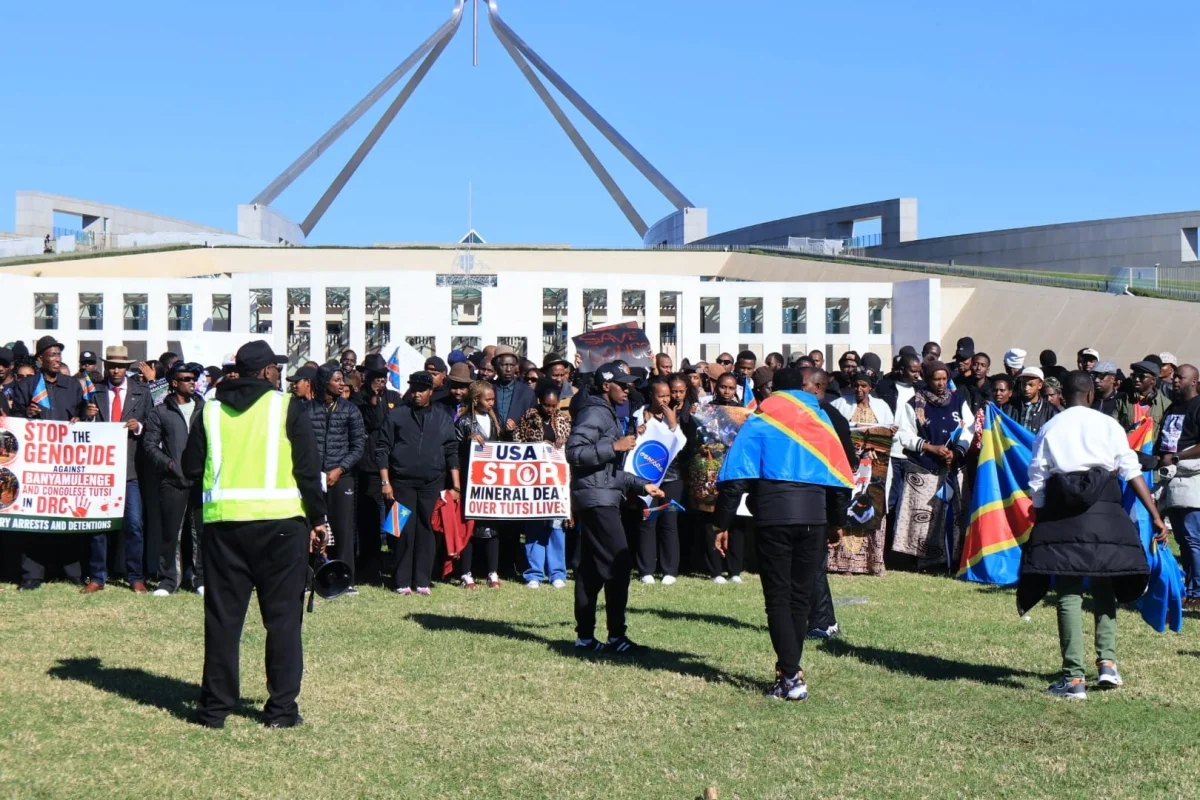
Similar protests have previously been held in Europe, North America and Africa, where members of these communities live.
According to Zawadi Birori Munyaruhanga, the president of BCCA, the demonstration sought to draw attention to the worsening humanitarian crisis in the eastern provinces of South Kivu and North Kivu, particularly in Minembwe, where the Banyamulenge community has been under blockade imposed by the Congolese government coalition for months.
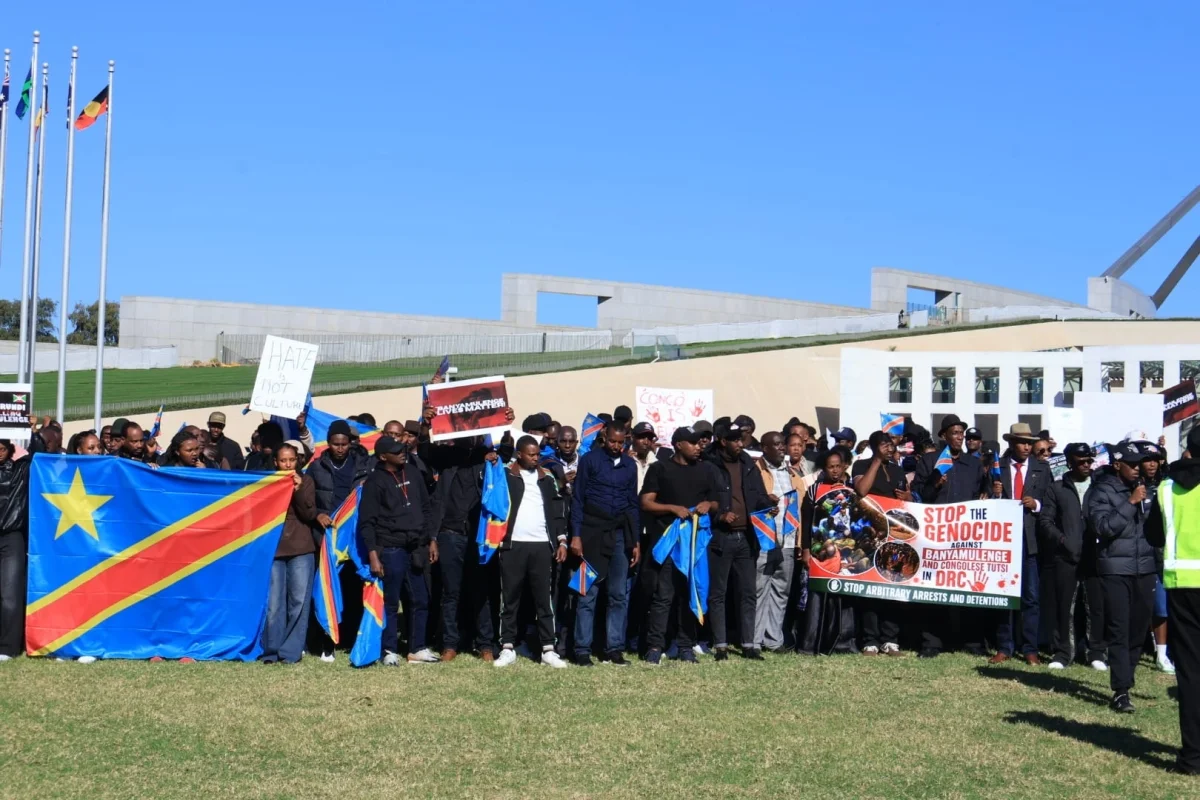
Birori said protesters were demanding an end to attacks against Banyamulenge and Tutsi communities, as well as the lifting of the blockade.
He said the affected community has for years faced violence, displacement, and insecurity linked to forces allied to Kinshasa, including Burundian troops, FDLR and Wazalendo militias.
“The Banyamulenge and Kinyarwanda-speaking communities continue to endure killings, displacement, destruction of property, and restricted access to humanitarian assistance,” Birori said, adding that many families have been cut off from food, medicine, and other essential services.
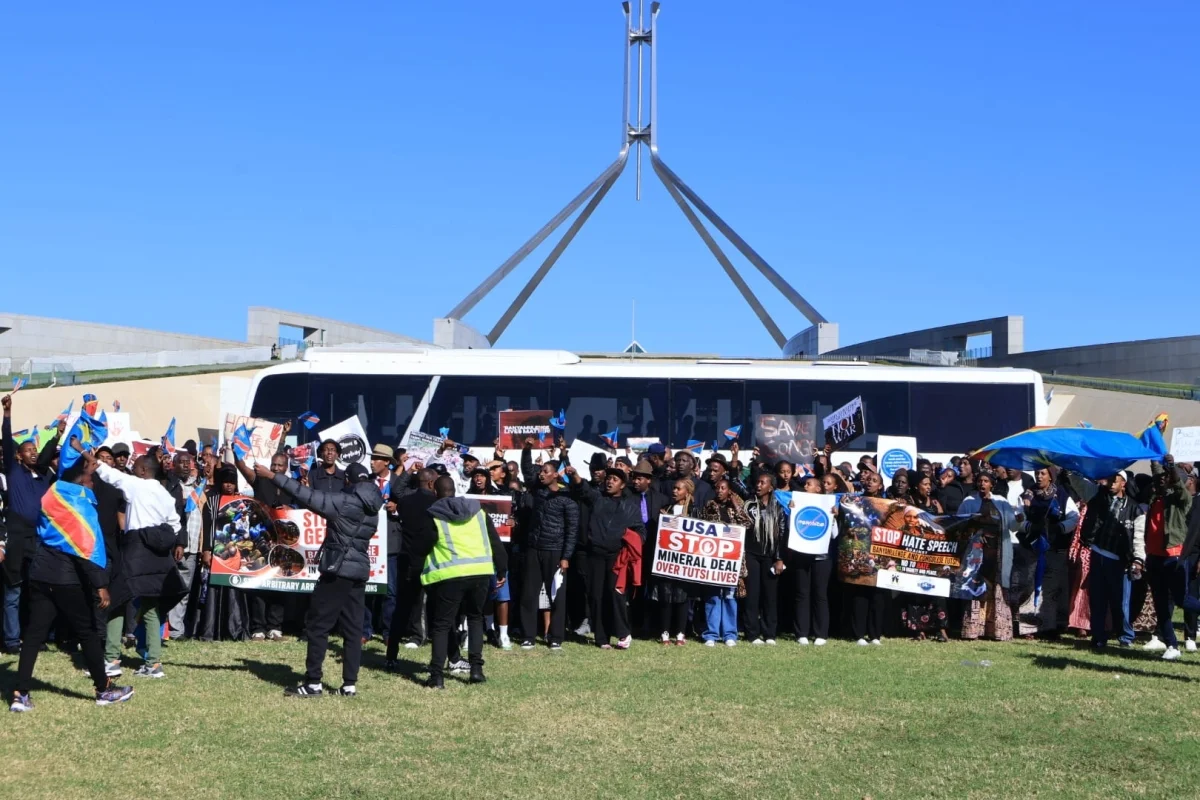
He noted that the protests were intended to urge the Australian government and the wider international community to take a stronger stance on the crisis and support efforts aimed at protecting civilians.
According to Birori, the communities have suffered massacres, sexual violence, destruction of homes and the burning of villages and farmlands.
He further said that women and children have borne the brunt of the crisis, with many displaced families living in precarious humanitarian conditions after losing access to farmland, water, markets, and livelihoods.
The protesters also called for independent international investigations into alleged crimes committed in eastern DR Congo, stronger civilian protection mechanisms, and the establishment of secure humanitarian corridors to facilitate aid delivery.
Among other demands, they urged the international community to press for the withdrawal of foreign armed groups operating in the region and support inclusive dialogue aimed at addressing the root causes of insecurity.