











EU official says it's hard to tell who committed abuses in Uvira

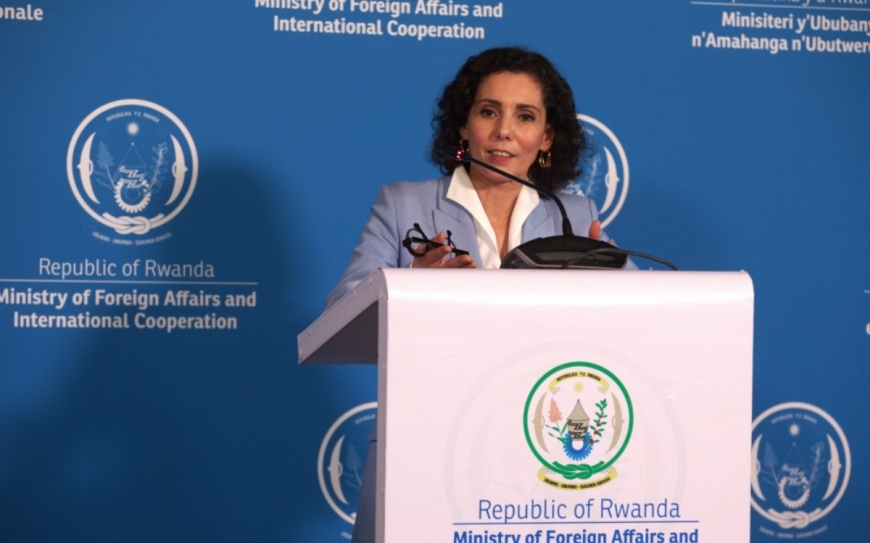
The European Commissioner for Equality, Preparedness and Crisis Management has said it would be "difficult" to know who committed abuses in Uvira in eastern DR Congo after the withdrawal of the AFC/M23 forces in mid-January.
Hadja Lahbib, who blamed the humanitarian crisis in South Kivu on the AFC/M23, suggested there were too many actors in eastern DR Congo to know who committed abuses after the rebels had pulled out.
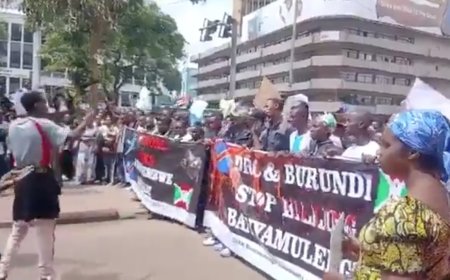
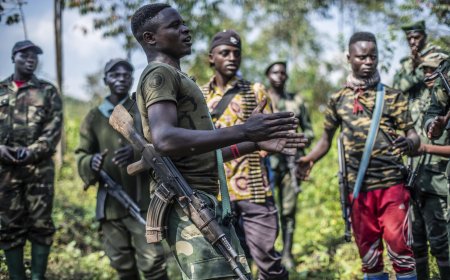
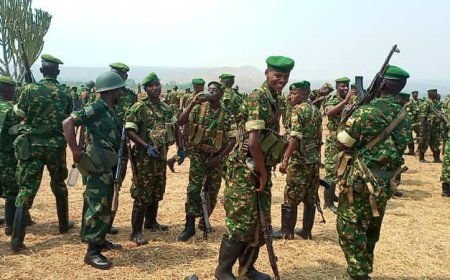
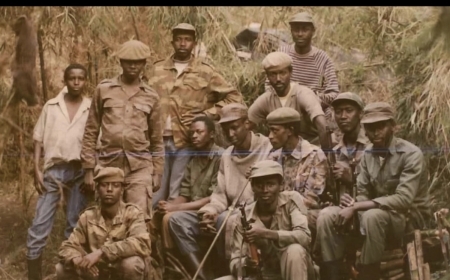
The rebels and local population blamed the Wazalendo militias allied to the Congolese army for cases of looting and persecution of Banyamulenge civilians in the wake of the withdrawal on January 17.
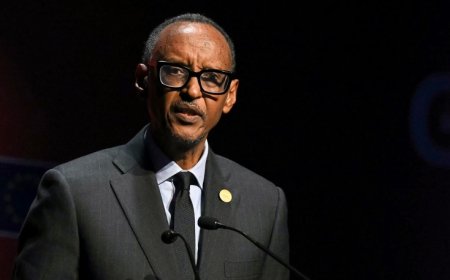
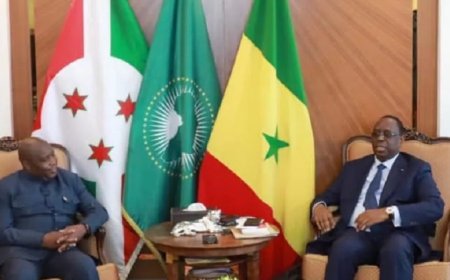
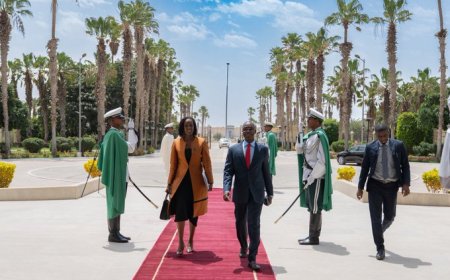
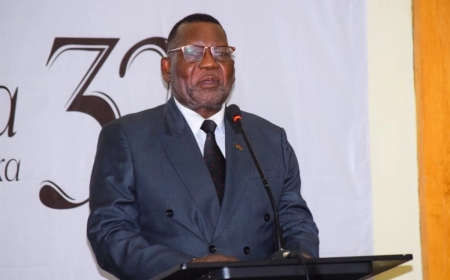
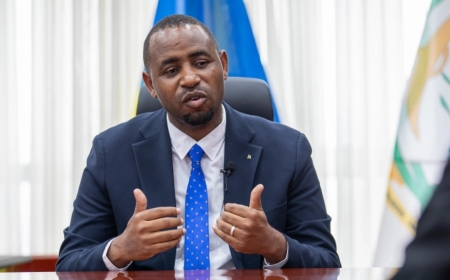
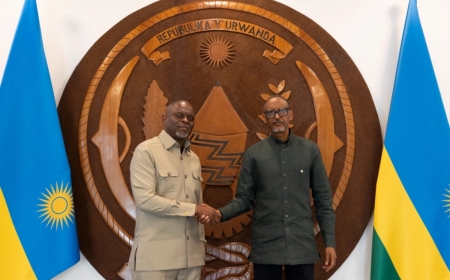
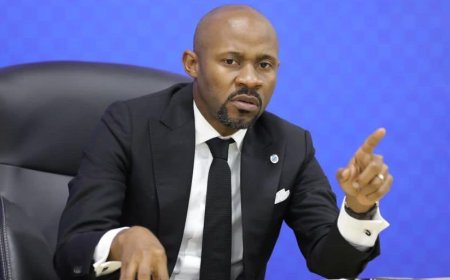
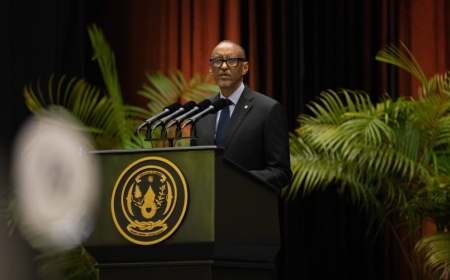
Lahbib arrived in Kigali on Thursday, February 19, from Burundi, where she had met with President Ndayishimiye and visited a camp for Congolese refugees. Following her meeting with President Paul Kagame, the EU official held at a press conference with Olivier Nduhungirehe, the Minister of Foreign Affairs and International Cooperation.
"I think that it's very difficult to identify in the end who is doing what in this region, because... it is said that there are 120 armed groups. And from the testimonies I received from the refugees, the attack by the M23 on Uvira is the cause of their fleeing. So, it depends on who you are asking the question, maybe."
Wazalendo attacked Banyamulenge: Nduhungirehe
But for Nduhungirehe, the perpetrators of the violence that followed the AFC/M23 withdrawal from Uvira are known.
"As you recall, the AFC/M23 had requested for a neutral force to be deployed on the ground, like MONUSCO, which is already in North Kivu, but this was not done," Nduhungirehe said.
"And what happened is that, after the withdrawal of the AFC of 23, it's not the Congolese army that came first. It was the Wazalendo who came first. What they did is to implement their ideology, and they have attacked the Banyamulenge, destroyed their churches, their homes, to the extent that hundreds of families of Banyamulenge, fled Uvira, after the withdraw of the AFC/M23."
The Rwandan minister noted that the violence happened under a climate of hate speech and ethnic violence against Tutsi communities in eastern DR Congo.
"This is why we believe that it's important also to look into the matter, because this region of South Kivu is the home of genocide ideology, of head speech," Nduhungirehe said.
"We have heard a lot of speeches by Congolese officials against the Banyamulenge, against the Congolese Tutsi and this is an issue that we should pay attention to."
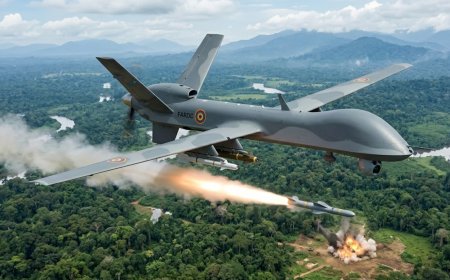
Nduhungirehe also noted that the Congolese government coalition was still launching airstrikes and drone attacks on civilians, in breach of a ceasefire agreed up with the AFC/M23.
The EU official is expected to meet the leaders of the AFC/M23 movement in Goma on Friday, as part of the regional tour that began in Kinshasa, where she met with President Felix Tshisekedi.