







How Blackwater founder Erik Prince deployed forces to Support FARDC in Uvira battle against M23
Erik Prince, founder of Blackwater, deployed forces and drones to help Congo’s army retake Uvira from M23 rebels near key critical mineral zones.

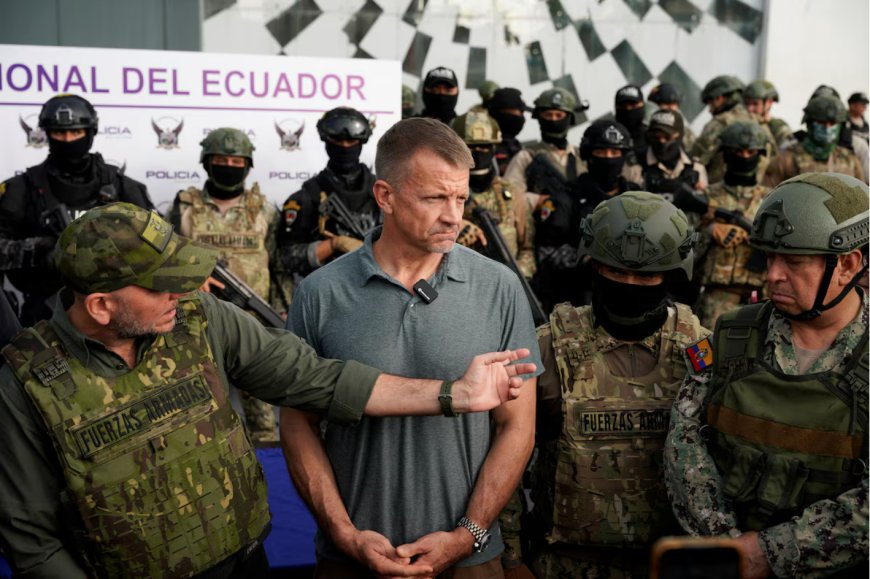
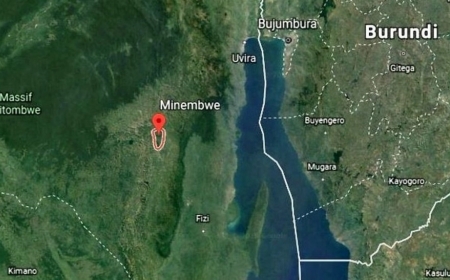
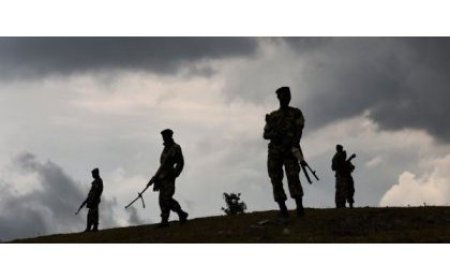
Private security contractors linked to Blackwater founder Erik Prince were deployed to eastern Democratic Republic of Congo (DRC) to help government forces secure the strategic border city of Uvira and operate military drones during clashes with AFC/M23 rebels, according to sources cited by Reuters.
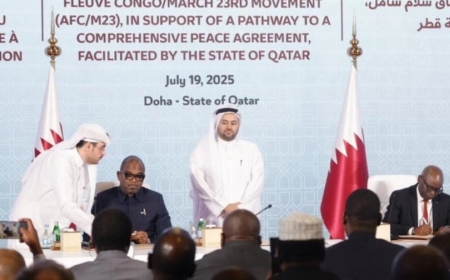
Four people briefed on the mission said Prince’s team supported the Armed Forces of the Democratic Republic of Congo (FARDC) during efforts to stabilize the city after AFC/M23 fighters briefly seized Uvira in December. The capture of the city, located near the Burundi border, was seen as a significant setback to U.S.- and Qatar-backed peace negotiations. The rebels later withdrew following warnings from Washington of possible retaliation.
Prince, a supporter of U.S. President Donald Trump and founder of the now-defunct private military company Blackwater, had previously been contracted by the Kinshasa government to help secure mining areas and improve tax revenue collection from the country’s vast mineral resources. However, sources told Reuters that the Uvira operation marked the first known instance of Prince-linked private security personnel taking part in frontline military activity in Congo’s long-running conflict.
A spokesperson for Prince declined to comment, while the Congolese presidency and a military spokesperson did not respond to Reuters’ questions.
According to a senior Congolese security official, the presence of U.S.-linked contractors may have served as a deterrent to AFC/M23 forces, which could be reluctant to confront them directly. The official described the deployment as consistent with a broader “minerals-for-security” arrangement involving international support for Congo’s security sector.
The United States has offered assistance in helping end the conflict in exchange for access to Congo’s critical mineral resources, though the U.S. State Department said it has no contracts with Prince or any of his companies. It remains unclear whether Washington endorsed the deployment.
Sources told Reuters that Prince’s team was sent to Uvira at the request of the Congolese government to reinforce operations at a critical moment. After the city was secured, the contractors reportedly returned to their primary assignment of improving oversight and revenue collection in the mining sector.
“They needed help recapturing Uvira and pulled in every resource they could. Focus is back on the tax police project now,” one source said.
Another source indicated that Prince-linked contractors could be redeployed to frontline operations if Kinshasa requests additional support. During the Uvira fighting, the contractors were said to have provided drone assistance to Congolese special operations forces and army units in both the city and surrounding highlands of South Kivu.
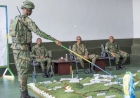
Reuters also reported that Israeli advisers were present in Congo to train two FARDC special forces battalions in daytime and nighttime operations. One source said the Israeli personnel were operating strictly under a training mandate. The Israeli embassy responsible for Congo and the Israeli Foreign Ministry did not respond to requests for comment.
Fighting in eastern Congo intensified last year as M23 rebels made rapid territorial gains in mineral-rich areas containing tantalum, gold, lithium, and other resources. The United Nations and several Western governments have accused Rwanda of supporting the M23 rebellion, allegations Kigali has repeatedly denied.
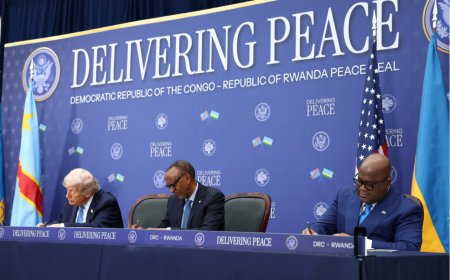
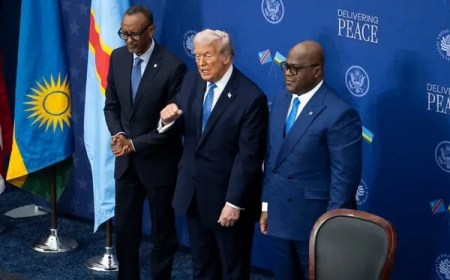
Although Rwanda and the DRC signed a U.S.-brokered peace agreement in June last year, the AFC/M23 group was not part of the deal, leaving tensions in eastern Congo unresolved.