






















FARDC drones rain bombs on Mineral-Rich Rubaya

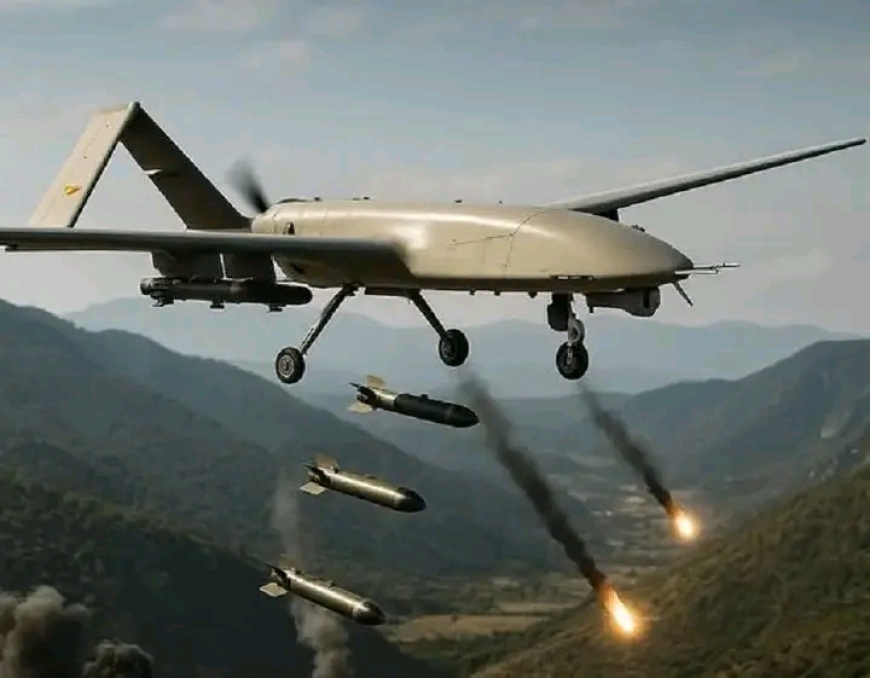
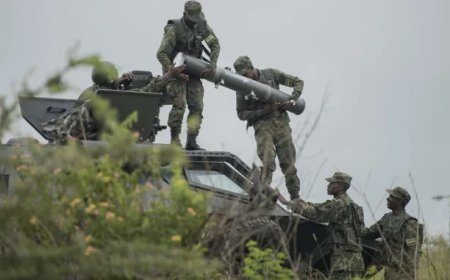
The AFC/M23 has accused the government of the Democratic Republic of the Congo of launching drone attacks on Rubaya, a mineral-rich area in Masisi Territory, North Kivu Province.
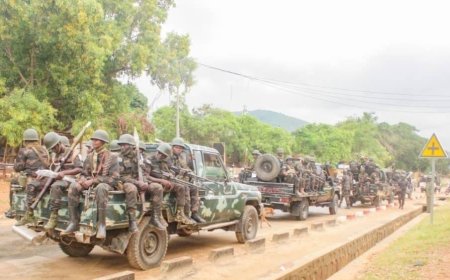
Clashes intensified around Rubaya beginning Monday, February 23, following what the rebel group described as coordinated offensives by Congolese government forces (FARDC), reportedly supported by Wazalendo militias allied to Kinshasa.
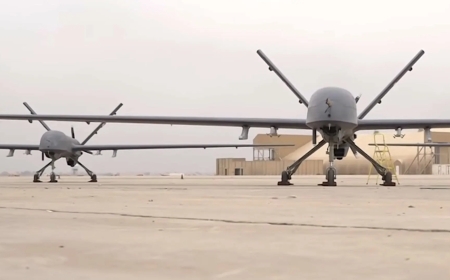
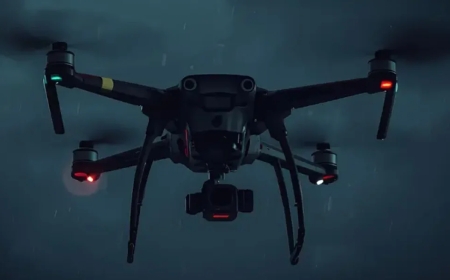
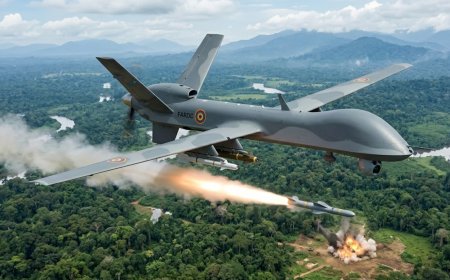
In a statement issued through its spokesperson, Lawrence Kanyuka, AFC/M23 alleged that government forces escalated hostilities by deploying combat drones in the early hours of Tuesday, February 24.
“At 02:43 a.m. on Tuesday, February 24, drones operated by the Kinshasa regime’s coalition forces began indiscriminately shelling the town of Rubaya, spreading panic and killing civilian residents,” Kanyuka said.
The group did not provide an official casualty toll but condemned the alleged strikes as “a barbaric act amounting to crimes against humanity and war crimes.”
Bertrand Bisimwa, president of M23 and deputy coordinator of the AFC coalition, linked the renewed violence to recent economic agreements signed by the Congolese government in Washington, D.C., concerning mineral cooperation.
“Since the signing of economic agreements in Washington related to mineral resources, the Kinshasa regime has become increasingly aggressive. It no longer respects the peace process and continues to carry out killings and massacres of innocent civilians with impunity, in violation of the ceasefire that had been agreed upon,” Bisimwa said.
The reported drone attacks come days after Kinshasa included minerals from Rubaya on a strategic list of resources it intends to prioritize for cooperation with the United States.
Rubaya is widely regarded as one of the world’s leading sources of coltan, a key mineral used in the production of electronic devices. The area has been under the control of AFC/M23 since May 2024, making it a focal point in the broader conflict in eastern DR Congo.