





















Europe’s persistent tolerance of genocide denial: An existential threat to Rwanda

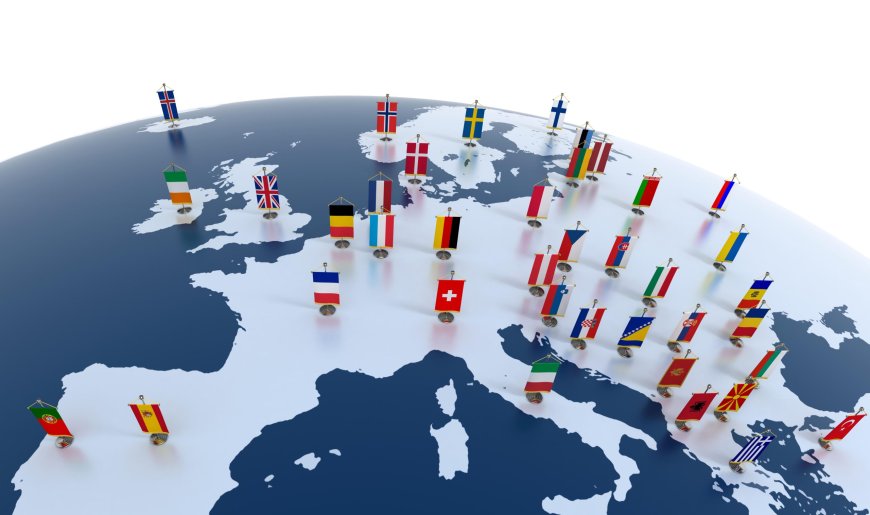
Europe presents itself as a global defender of human rights and a champion of genocide prevention yet this moral posture is increasingly undermined by its persistent tolerance of genocide denial. This contradiction is most evident in Europe’s handling of the 1994 Genocide against the Tutsi in Rwanda.
Nearly three decades after more than one million Tutsi were murdered, genocide denial, trivialization, and historical revisionism continue to receive political, institutional, and financial accommodation in parts of Europe.
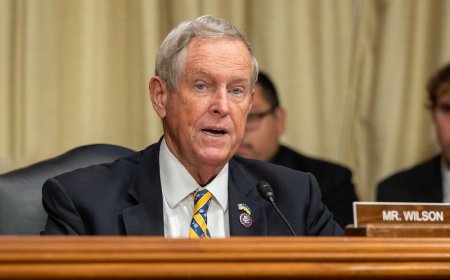
A recent illustration of this disturbing trend emerged in France, on January 15, during a parliamentary debate on the national budget. Frédéric-Pierre Vos, a French parliamentarian affiliated with the Rassemblement National, trivialized the Genocide against the Tutsi by comparing it to proposed taxation measures targeting the ultra-rich. Such remarks normalize the minimization of genocide and contribute to a political culture in which genocide denial and distortion are tolerated under the guise of provocation or freedom of expression.
Genocide denial is not merely an offensive opinion. International tribunals and scholars widely recognize it as a continuation of the crime itself. Denial seeks to erase victims, rehabilitate perpetrators, and reopen the ideological space that made genocide possible in the first place. For post-genocide Rwanda—a country still rebuilding social cohesion after total societal collapse—denial is not an abstract threat. It directly undermines reconciliation, justice, and national security.
Belgium presents a particularly troubling case.
Despite its legal framework against hate speech, Belgian authorities have repeatedly tolerated—and in some instances facilitated—genocide denial and revisionism. One notable example is the Belgium-based organization Jambo ASBL, a platform that has consistently worked to sanitize genocide perpetrators and FDLR, a UN-sanctioned genocidal militia formed by remnants of mass murderers responsible for the Genocide against the Tutsi.
In Jambo’s discourse, FDLR is portrayed not as a genocidal armed group, but as a mere “political organization.” Concerns are further heightened by the composition of Jambo’s leadership. Several prominent figures within the organization are children of convicted genocide perpetrators. One such example is Placide Kayumba, whose father, Dominique Ntawukuriryayo—the former sous-préfet of Gisagara—was sentenced to 25 years in prison in 2010 for his role in the genocide.
In 2014, Kayumba travelled from Belgium to eastern DRC to interview FDLR leader Victor Byiringiro. For many observers, this act constituted not journalism but ideological rehabilitation and political activism in support of a UN- and US-sanctioned terrorist organization. Despite this, Europe continues to accommodate figures such as Kayumba, allowing descendants of genocidaires to provide platforms for FDLR with minimal scrutiny or consequence.
In 2025, the Belgian city of Liège announced that it would not observe the 31st commemoration of the Genocide against the Tutsi, traditionally held between April 7 and 14. This decision, taken under the leadership of Lydia Mutyebele Ngoi, a Belgian politician of Congolese origin, provoked widespread criticism and highlighted what many perceived as Belgium’s growing willingness to minimise the genocide.
She subsequently used her influence to authorize the Congolese community in Liège to commemorate the so-called “Genocost” in DRC—a fabricated genocide narrative promoted by authorities in Kinshasa—just days before the official commemoration of the 1994 Genocide against the Tutsi.
Cancelling a legally and historically recognized commemoration while endorsing a politicized and unsubstantiated narrative was interpreted by genocide scholars and analysts as a clear act of genocide negationism.
Across Europe, organizations associated with genocide denial continue to operate with little restriction and, in some cases, with access to public funding.
For Rwanda—where denial once laid the groundwork for the Genocide against the Tutsi—such tolerance is not merely hypocritical. It is a stark reminder that the lessons of 1994 remain dangerously fragile, and that the international commitment to “Never Again” is far from guaranteed.