







Trump’s Rwanda-DRC peace claims spark fresh scrutiny

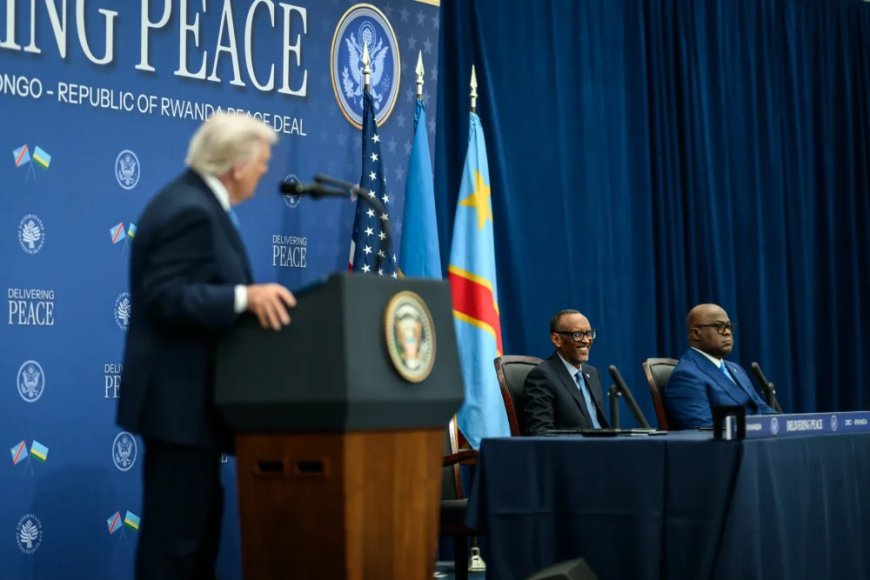
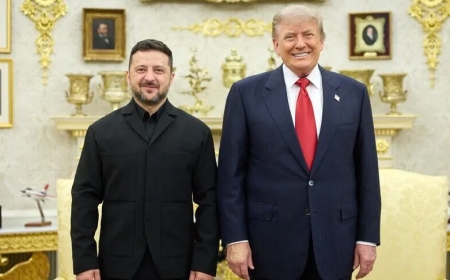
Trump made the remarks on July 8 while speaking to reporters aboard Air Force One after attending a NATO summit in Türkiye, where he portrayed the DRC conflict as one of eight wars he had helped bring to an end.
Responding to a question about Venezuelan opposition figure María Corina Machado, who he said had credited him with resolving conflicts around the world, Trump cited the tensions between the DRC and Rwanda among disputes he claimed to have settled.
“Think of the wars settled, eight wars that were going to last 30 years. Even if you look in the Congo, the Congo versus Rwanda. I settled it. After 14 years and about 15 million people had their heads chopped off. I settled that one,” Trump said.
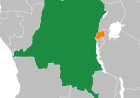
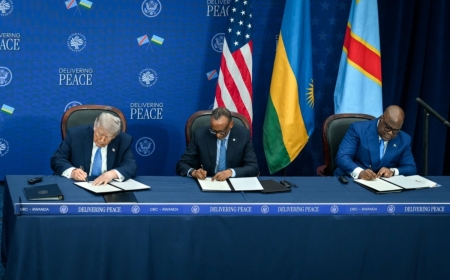
Trump’s remarks appear to refer to the peace agreement signed by Rwanda and the DRC in Washington, which was designed to address years of tensions between the two neighbours.
The agreement outlines steps including the dismantling of the Democratic Forces for the Liberation of Rwanda (FDLR), an armed group linked to the 1994 Genocide against the Tutsi that Rwanda maintains remains a security threat and operates with support from elements within the Congolese security system.
Implementation of the agreement has faced significant challenges, with Kigali accusing Kinshasa of failing to honour its commitments, particularly regarding the neutralisation of the FDLR, while also questioning the neutrality of the US mediation.
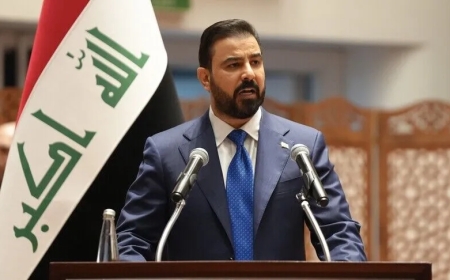
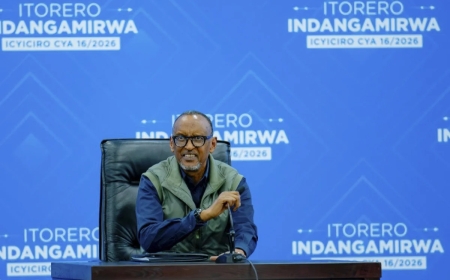
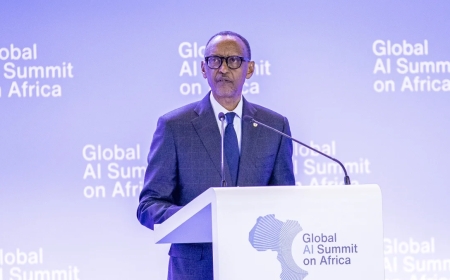
Rwanda’s Foreign Minister Olivier Nduhungirehe recently expressed disappointment, arguing that peace cannot be achieved if only one party implements its obligations under the agreement, following sanctions imposed on Rwanda.
The agreement was built on two key pillars: the neutralisation of the FDLR and the lifting of Rwanda’s defensive measures. However, Nduhungirehe argued that implementation has stalled mainly due to what he described as a lack of political will from Kinshasa.
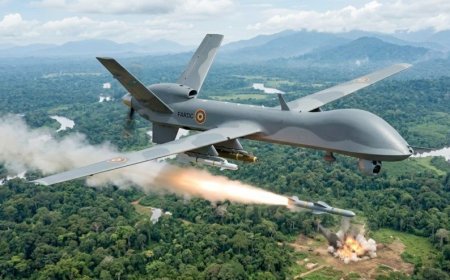
“The main issue is the political will by the government in Kinshasa to cease fire,” Nduhungirehe said, adding that drone attacks had intensified after the signing of the agreement.
He further accused the Congolese side of failing to take action against the FDLR, instead citing continued collaboration with the group.
Nduhungirehe said that while US officials had acknowledged partial progress by Rwanda, Washington had overlooked the DRC’s failure to fulfil its commitments under the agreement.
“So for us, we are disappointed by the increasingly biased U.S. mediation,” he said, stressing that peace agreements require both parties to implement their obligations simultaneously.
He questioned why sanctions had been imposed only on Rwanda, including recent measures targeting Rwanda’s Gasabo Oil Refinery and the Rwanda Defence Forces, while similar action had not been taken against the DRC.
According to the minister, sanctions risk undermining the mediation process.
“Those sanctions are unfair, one-sided and counter-productive,” he said, warning that applying pressure on only one party could embolden the other and worsen insecurity.
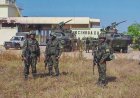
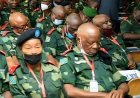
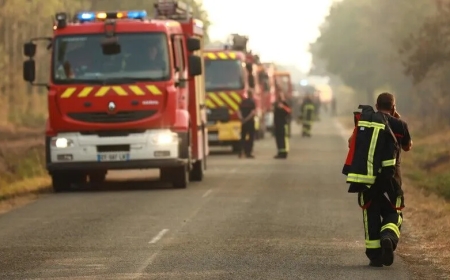
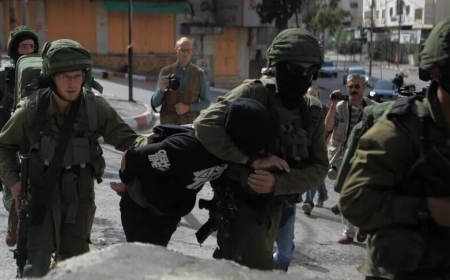
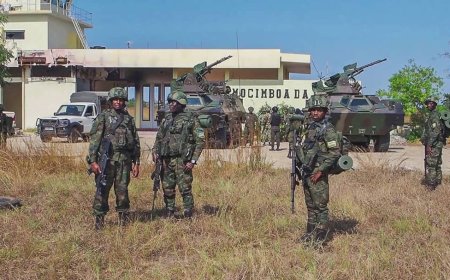
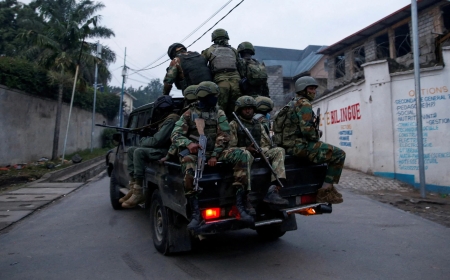
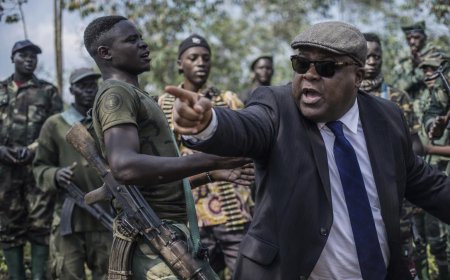
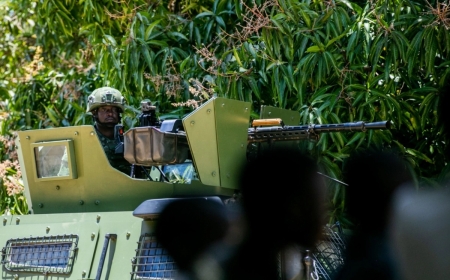
Trump’s claim also comes against the backdrop of continued clashes in eastern DRC, where the AFC/M23 rebel group and forces aligned with the Kinshasa government remain engaged in fighting despite diplomatic efforts.
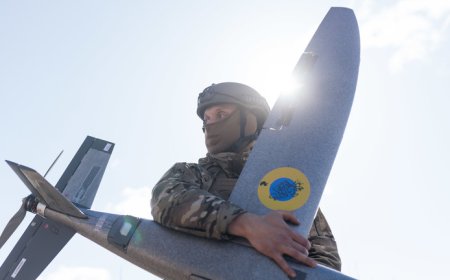
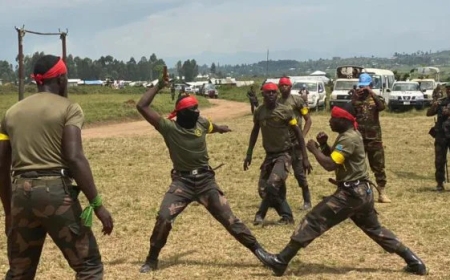
At the end of last week, MRDP-Twirwaneho fighters allied with AFC/M23 announced that they had captured areas including Point-Zéro, Kalingi, Mikenke, Gitavi, Ilundu, Kalongi, Gakenke, Lubemba, Bicumbi and Baruta Rwitsankuku, locations previously held by forces comprising the Congolese army, Burundian troops, FDLR, Wazalendo fighters and foreign mercenaries.
On July 8, 2026, intense clashes were again reported in the same areas, involving FARDC-aligned forces and Twirwaneho fighters. The fighting was concentrated around Rugezi, Mulima, Point Zero, Kazaroho, Bilalo Mbili and Mikenke.
This followed heavy fighting in late June 2026 between Wazalendo militias and AFC/M23 near Ngungu town in Masisi territory, as well as in Rubaya, Bibwe, Minjenje and Pinga.