












AFC-M23 Rebels “Withdrawing Troops 75Km From Uvira to Kamanyola”
UVIRA, DR Congo — AFC-M23 rebels have begun repositioning or withdrawing troops, heavy artillery, and military equipment from several positions in the...

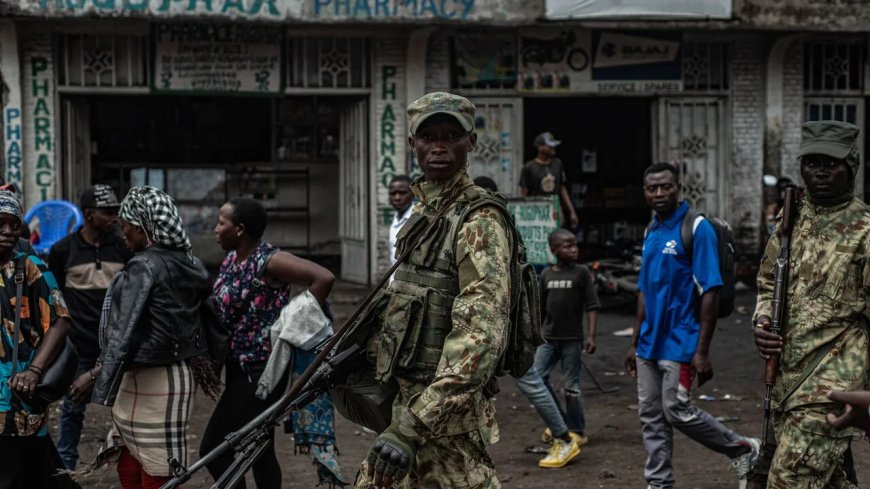
UVIRA, DR Congo — AFC-M23 rebels have begun repositioning or withdrawing troops, heavy artillery, and military equipment from several positions in the Ruzizi Plain, north and northwest of Uvira, according to local reports and accounts circulating from the region
Observers report the movements may be linked to ongoing diplomatic and ceasefire efforts in eastern Congo.
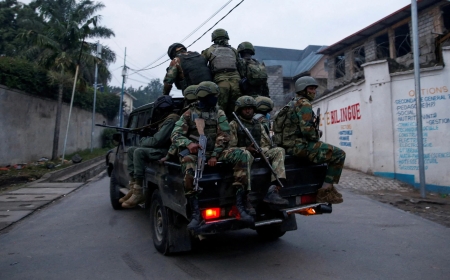
Residents and regional commentators on social media and YouTube channels that usually report on M23 engagements, say the movements began on the evening of May 9 and continued into Sunday, with convoys heading northward toward Kamanyola, a strategic town approximately 70 to 75 kilometers from Uvira and closer to Bukavu.
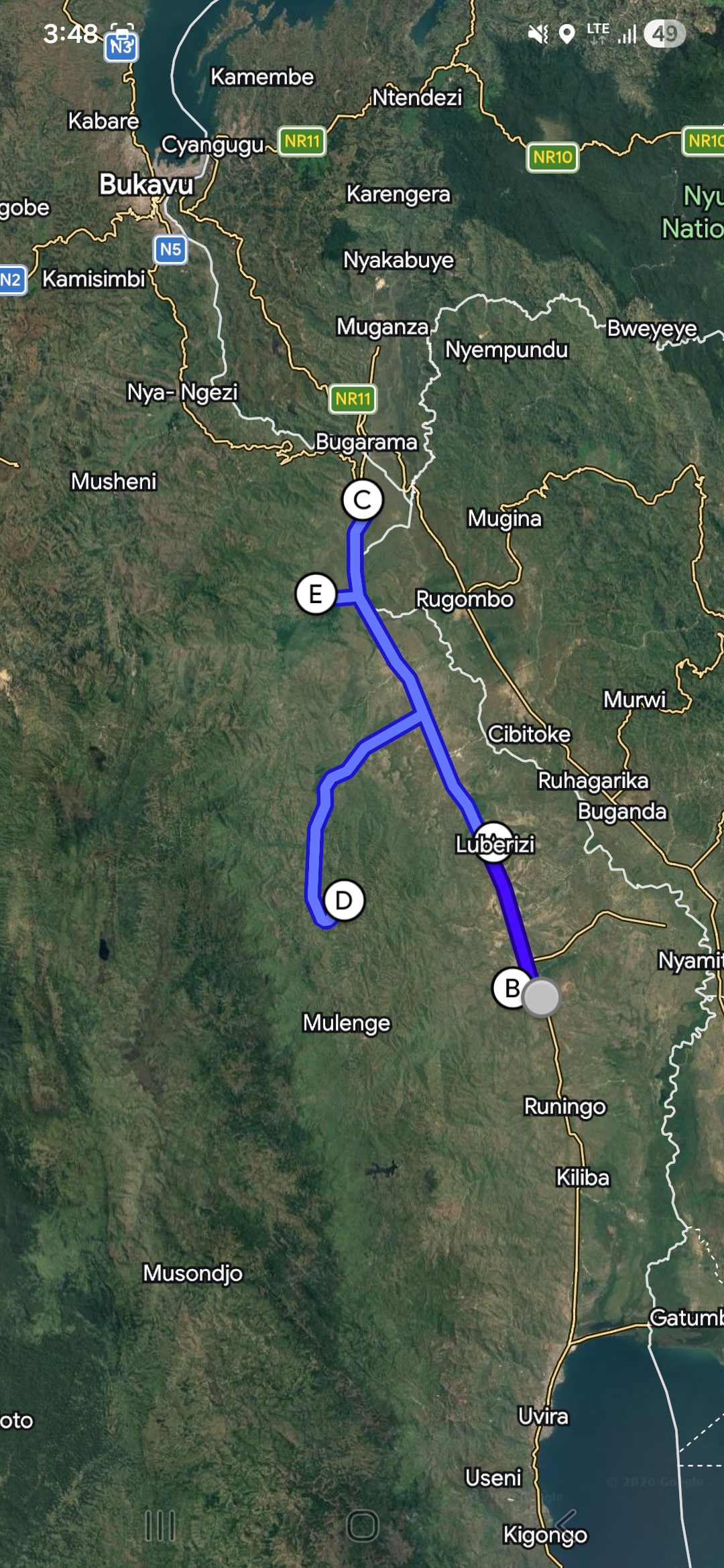 The blue line shows regions where the movements have been reported.
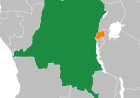
Kamanyola sits near the border with Rwanda and directly faces the Bugarama area of Rusizi District across the frontier.
The reported repositioning affects a broad stretch of territory along the RN5 road in South Kivu Province. Areas cited in local reports include Kabunambo, a strategic military camp near Uvira; Sange, a major commercial town on the RN5 corridor; Mutarule and the surrounding Nyamutiri area; Bwegera; the Luberezi, Luvungi and Luberizi cluster; and nearby localities including Lemera.
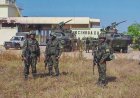
Witnesses described unusual troop activity in several of these areas, including the movement of artillery battalions and other heavy equipment.
In Sange, local reports spoke of temporary shop closures and heightened anxiety among residents as military convoys passed through on Saturday evening. Some accounts also claimed that prisoners were released in certain locations before the repositioning took place, although these claims remain difficult to independently verify.
AFC-M23 has not made any formal announcement regarding the latest troop movements and has not publicly commented on reports emerging from the Ruzizi Plain.
The absence of an official statement has fueled speculation about whether the developments amount to a tactical withdrawal, a redeployment, or part of broader ceasefire arrangements tied to continuing regional mediation efforts.
The latest reports also differ from earlier developments in North Kivu, including in areas such as Kipese and Lubero, where Congolese local sources had previously described rebel movements as withdrawals.
At the time, however, M23 rejected that characterization and insisted the movements were instead “repositioning” operations rather than retreats.
The distinction has become increasingly important as the armed coalition operating under the banner of AFC-M23 has expanded beyond the original M23 structure.
The broader alliance brings together the M23 movement, which previously controlled large parts of North and South Kivu, alongside groups such as Twirwaneho and MRDP, which historically operated across large sections of the Hauts-Plateaux and Mulenge areas of South Kivu.
The latest territorial adjustments could leave AFC-M23 concentrated along a strategic belt stretching from Kamanyola through Mwenga, Nzibira, and Walungu in South Kivu, before extending northward into large sections of North Kivu along the Virunga corridor toward Bunagana and Goma.
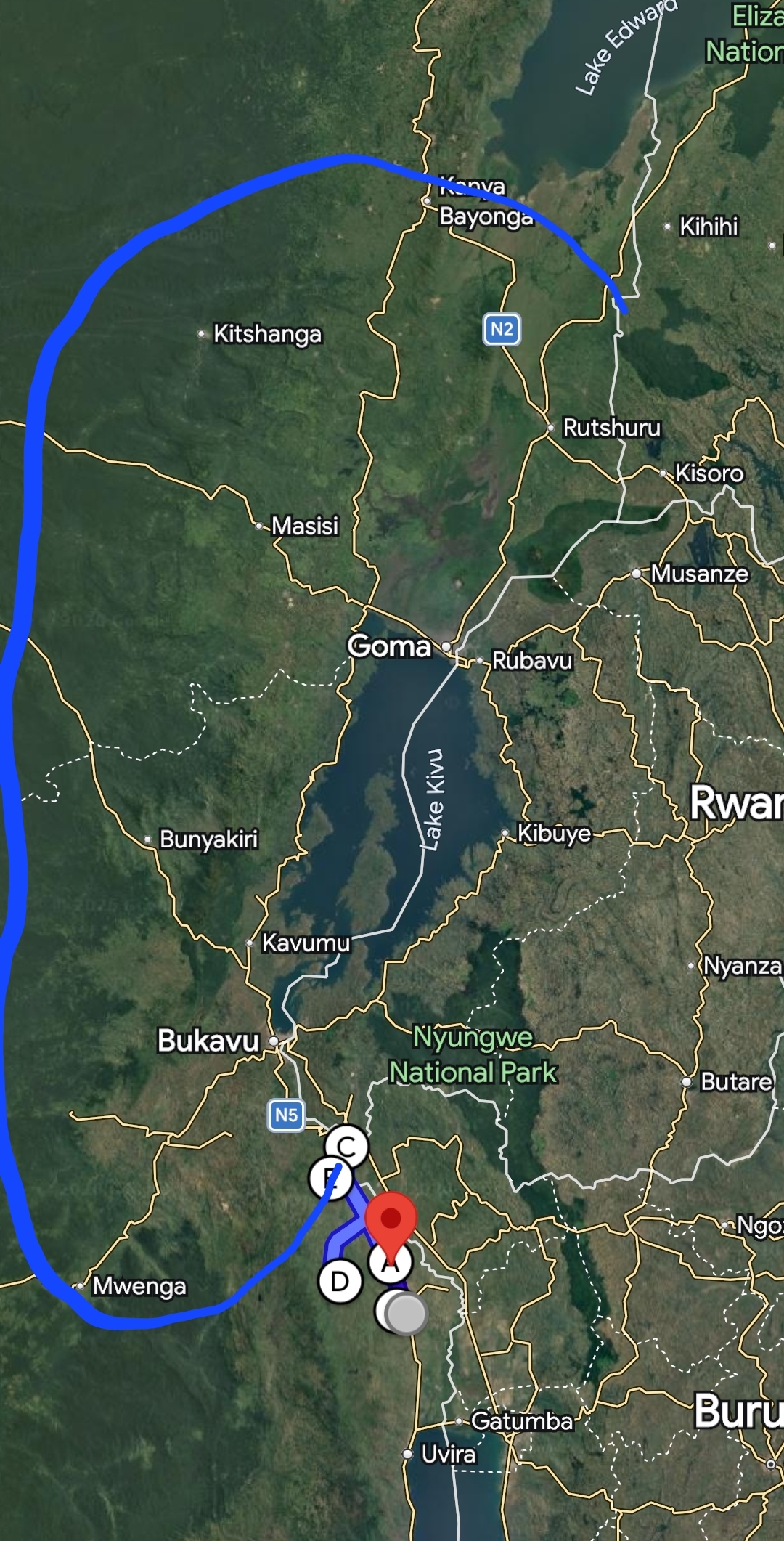 The latest reported changes, if true, mean the rebels will remain in control of areas east of the blue line.
The zone includes territory surrounding Virunga National Park, a strategically sensitive area linking parts of eastern Congo with the borders of Rwanda and Uganda.
If the new changes remain intact, Rwanda will have a huge buffer zone, preventing its border from any attacks by Rwanda FDLR militia. The M23 have vowed to continue operations that disarm militia groups, including repatriating Rwandans in their region who would like to returm home.
The military movements have also triggered civilian displacement across parts of the Ruzizi Plain.
Local reports indicate that some families, particularly from the Banyamulenge community, have been moving northward toward Kamanyola alongside the retreating columns, taking livestock and personal belongings with them amid fears of renewed clashes or reprisals should rival forces move into the vacated areas.
Videos circulating online appeared to show groups of civilians and cattle traveling along regional roads, though the scale and exact circumstances of the movement remain unclear.
Competing narratives continue to emerge around the displacement, with different sides in the conflict offering sharply contrasting interpretations of events on the ground.
The latest developments come months after M23 briefly seized Uvira during a rapid offensive in late 2025 before later withdrawing from parts of the city amid diplomatic pressure and regional mediation efforts.
The Ruzizi Plain remains one of the most strategically sensitive areas in eastern Democratic Republic of the Congo because of its road links, agricultural importance, and proximity to the borders with Burundi and Rwanda.
The wider conflict in eastern Congo continues to involve multiple armed groups, ethnic tensions, regional rivalries, and recurring humanitarian crises, with ceasefires repeatedly proving fragile.