











Ex-President Joseph Kabila Dismisses U.S. Sanctions as Baseless
Former Democratic Republic of Congo president Joseph Kabila has strongly condemned sanctions imposed by the United States Department of the Treasury,...

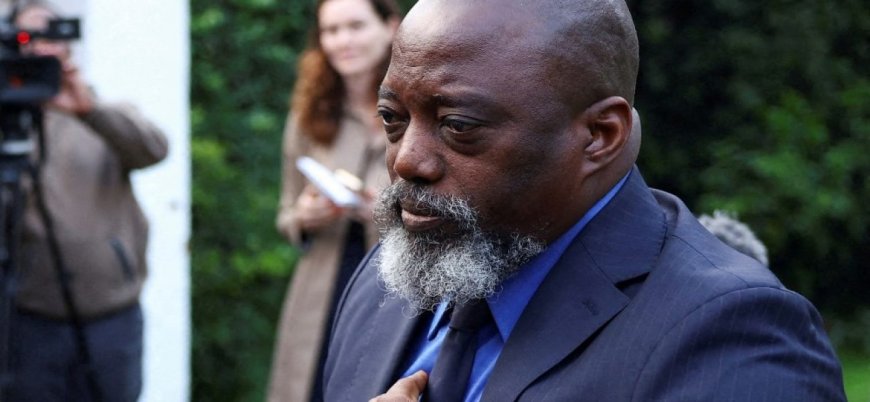
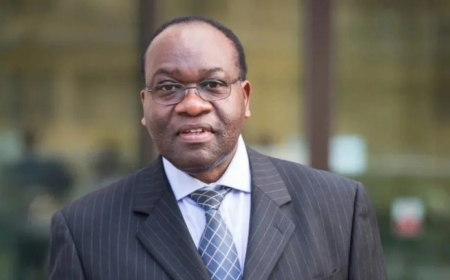
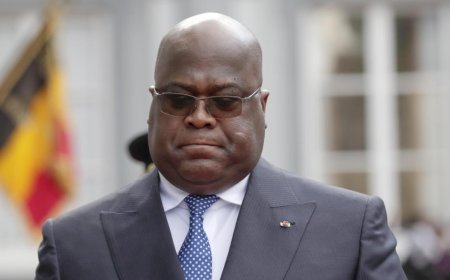
Former Democratic Republic of Congo president Joseph Kabila has strongly condemned sanctions imposed by the United States Department of the Treasury, dismissing the accusations against him as unfounded and lacking credible evidence.
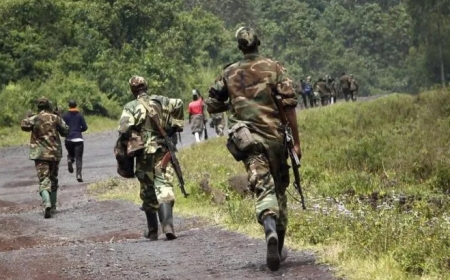
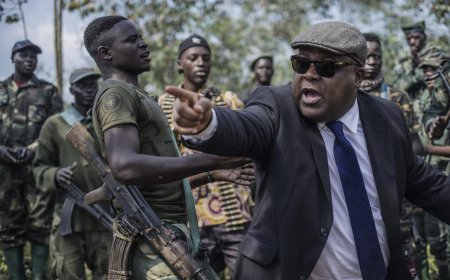
The sanctions were announced on Thursday, April 30, with U.S. authorities accusing Kabila of supporting the AFC/M23, an armed group opposing the government of the Democratic Republic of the Congo.
In an official statement released through his office, Kabila said he received the decision with “surprise,” describing it as “baseless, politically driven, and founded on allegations not supported by irrefutable evidence.”
Kabila’s office defended his record in power from 2001 to 2019, highlighting efforts to reunify the country, gradually restore peace, rebuild state institutions, and stabilize the Great Lakes region. The statement noted that under his leadership, the DRC emerged from a devastating regional war, reestablished national unity, and achieved its first peaceful and democratic transfer of power.
The former president argued that the U.S. decision relies heavily on claims from authorities in Kinshasa, which he says have failed to provide substantive proof before Congo’s own judicial bodies. He warned that such measures risk being interpreted—both domestically and internationally—as support for repression and political persecution.
“Such a decision could be seen as endorsing injustice and silencing those who speak out against corruption, embezzlement, and abuse of power,” the statement read, adding that it may embolden governance practices that prioritize retaliation over justice.
Kabila reiterated his commitment to national unity, sovereignty, and peace in both the DRC and the wider Great Lakes region. He emphasized the need for an inclusive political solution to the country’s ongoing crisis, arguing that the root causes extend beyond security issues in the eastern provinces to broader political and economic governance challenges.
He also called on the United States to play a constructive role in fostering a sustainable resolution to the Congo crisis—one that addresses systemic issues affecting the entire nation.
Rejecting the notion that advocates for accountability and reform should be criminalized, Kabila stressed that lasting peace cannot be built by targeting those pushing for good governance and national reconciliation.
The former leader confirmed that his legal team will pursue all available avenues to challenge the sanctions, including demanding concrete evidence behind the accusations and defending his reputation, legacy, and role in stabilizing the DRC.