













AFC/M23 Says 'Genocost' Is a Political Narrative Used to Target Rwanda
AFC/M23 has rejected the DRC's "Genocost" narrative, describing it as a politically motivated campaign that distorts history, undermines justice, and unfairly blames Rwanda, while calling for an independent investigation into atrocities committed in the DRC.

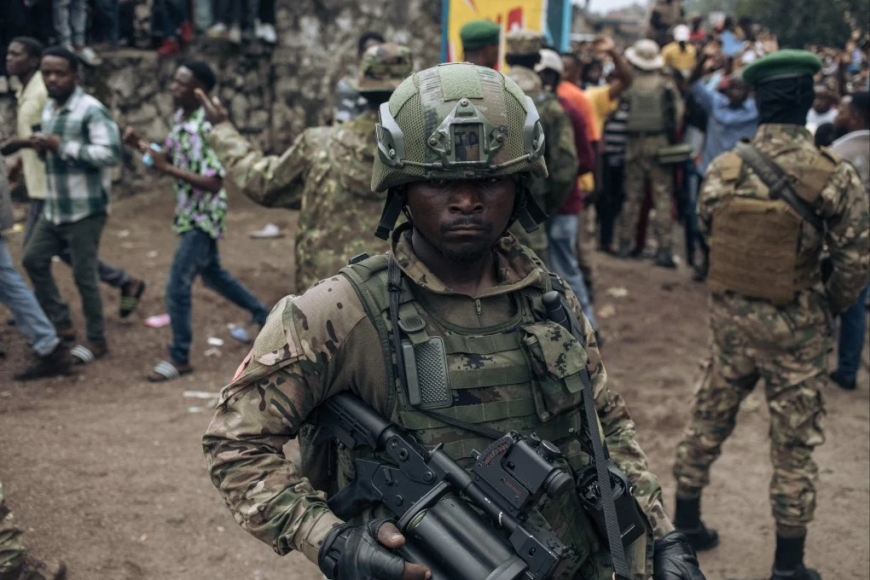
The AFC/M23 coalition has rejected the Democratic Republic of the Congo's use of the term "Genocost," describing it as a politically motivated narrative that distorts the country's history, undermines international justice, and unfairly implicates Rwanda.
In a statement issued on Tuesday following a commemorative event held in Kinshasa on August 3, 2026, the coalition criticized the Congolese government's observance of what it described as "Genocost," a term used by authorities to commemorate victims of mass atrocities committed in the DRC.
AFC/M23 argued that presenting the event as the commemoration of a genocide risks creating confusion over the legal definition of international crimes and could complicate efforts toward justice, accountability, and national reconciliation.
The coalition expressed condolences to all Congolese civilians who have lost their lives in decades of conflict, regardless of their ethnicity, language, religion, or province of origin. It said victims deserve truth, justice, reparations, and guarantees that such violence will never be repeated.
According to AFC/M23, grouping all crimes committed in the DRC under the label of genocide is inconsistent with international law and risks obscuring the responsibility of individual perpetrators while turning history into a political instrument.
"The concept of 'Genocost,' as promoted by the Kinshasa authorities, is driven more by political interests than by a genuine pursuit of justice. It shifts attention away from the root causes of Congo's crises toward a historical narrative used as a political tool," the statement said.
The coalition further warned that the political use of the "Genocost" narrative could deepen divisions among Congolese communities by stigmatizing certain groups based on their ethnicity, language, or perceived identity.
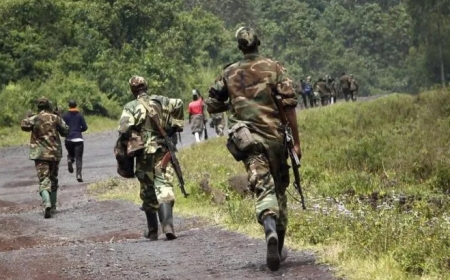
AFC/M23 also alleged that the initiative is being used to overshadow what it describes as atrocities committed against Tutsi communities in North Kivu, Banyamulenge in South Kivu, Hema communities in Ituri, and other affected populations.
Calling for accountability, the coalition urged the establishment of an independent international investigation into atrocities committed across the DRC. It also called for the opening of state archives, impartial prosecution of those responsible for serious crimes, stronger protection for survivors and witnesses, and greater support for judicial institutions to establish the truth.
The movement argued that sustainable peace in the DRC cannot be achieved through what it described as the manipulation of legal definitions or competing historical narratives. Instead, it said lasting stability requires individual accountability for crimes, recognition of the country's full history, and the strengthening of democratic institutions.
According to AFC/M23, the DRC's long-term future depends on building a state founded on the rule of law, credible public institutions, accountable leadership, and equal protection for all citizens regardless of ethnicity, region, or religious affiliation.